
Last updated November 20, 2026
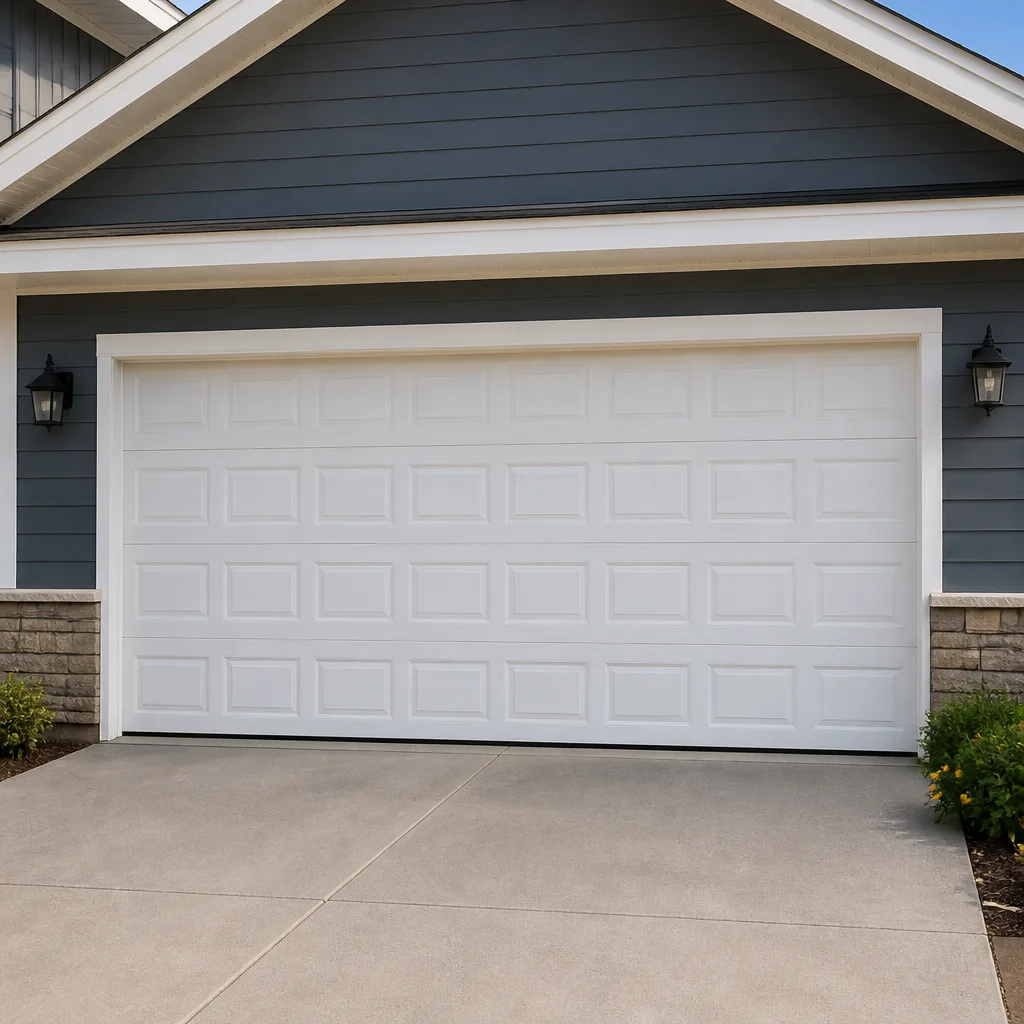 Raised-panel steel
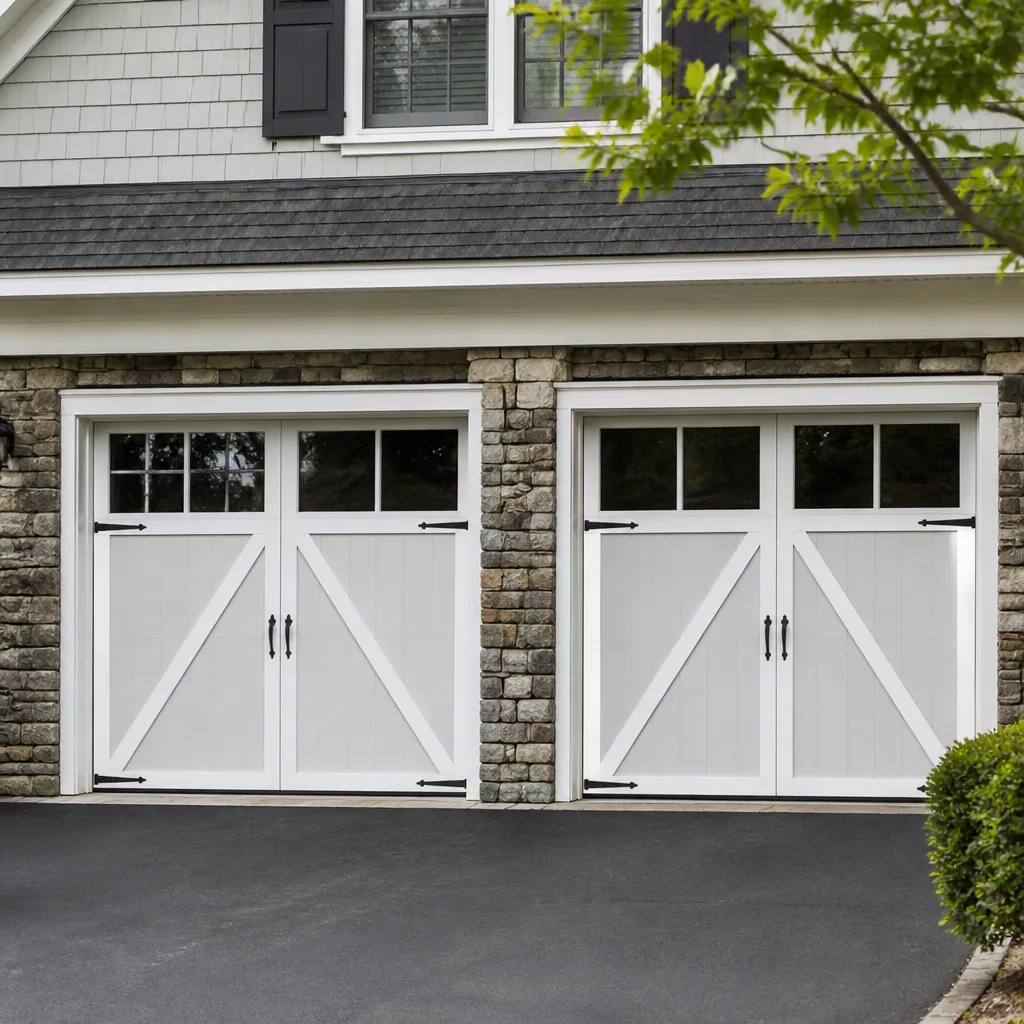 Carriage house
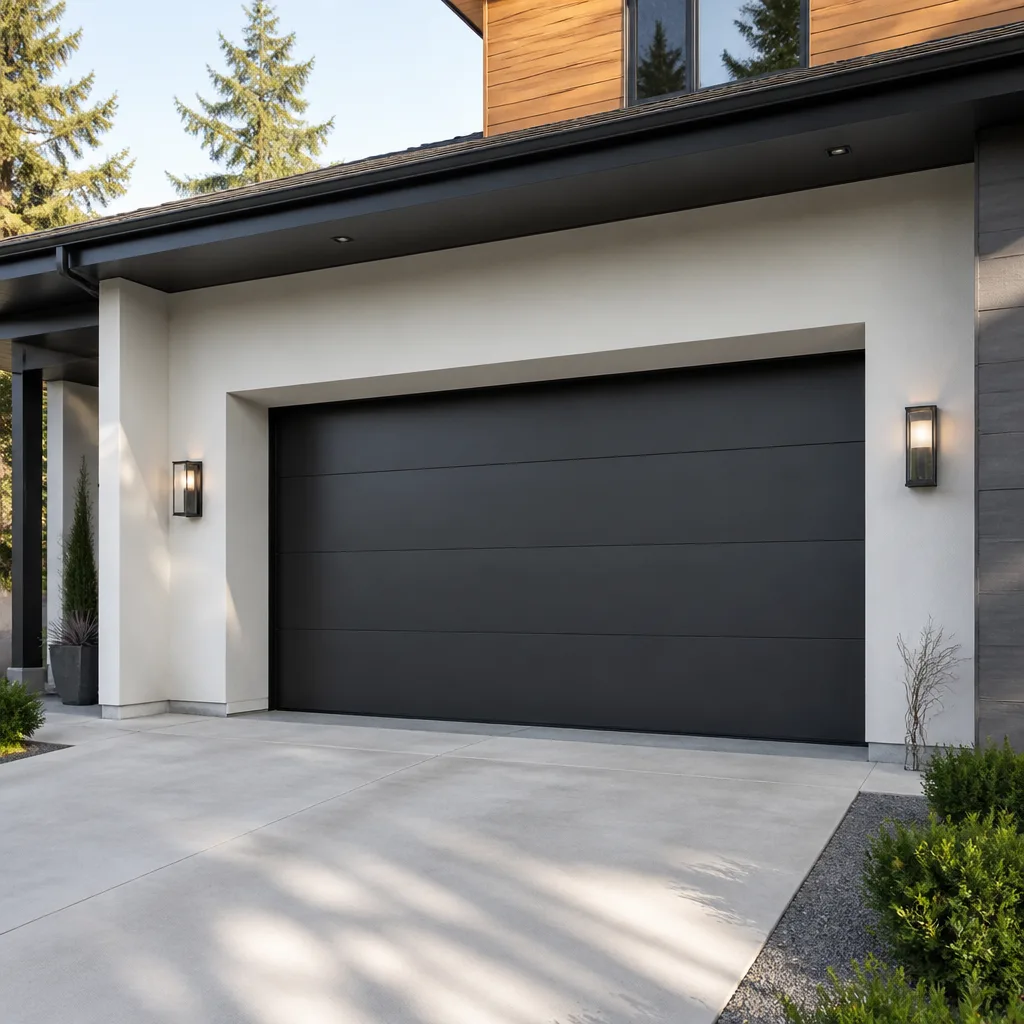 Modern flush
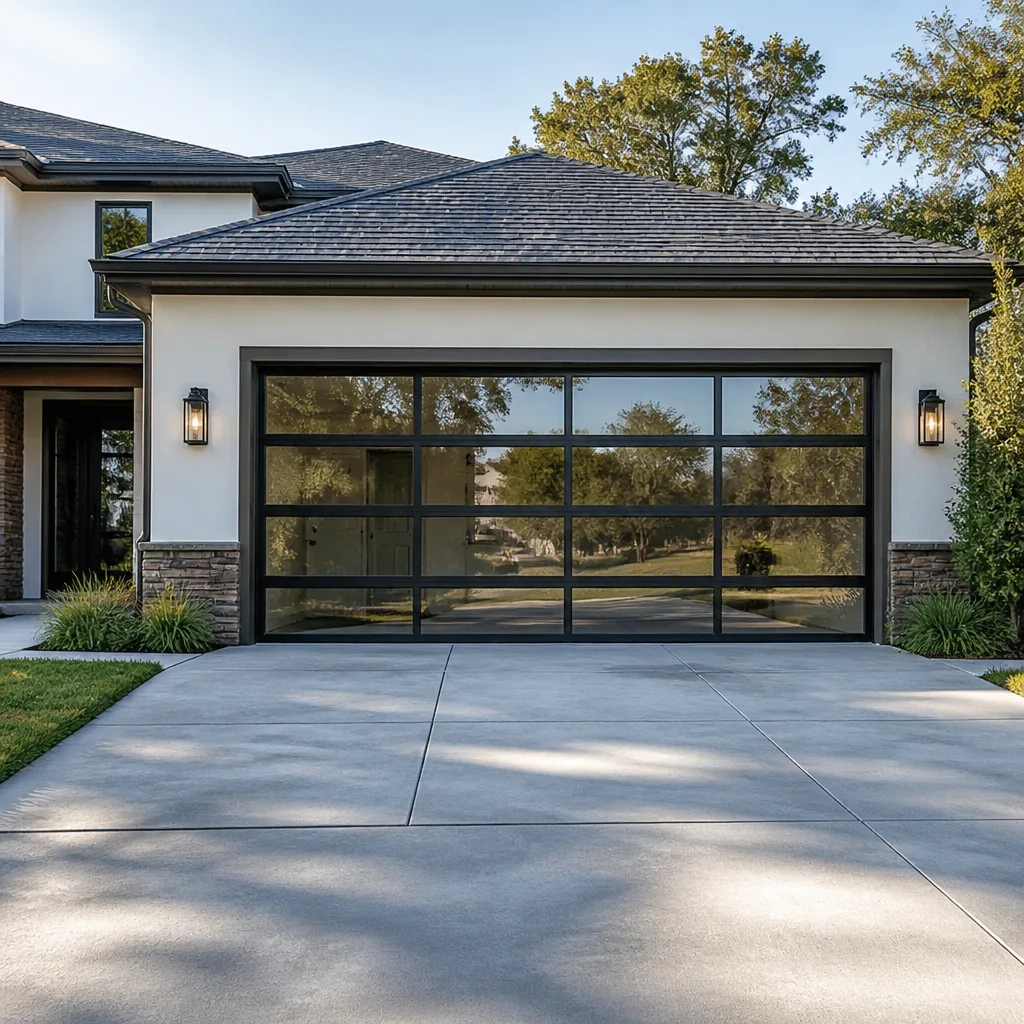 Full-view glass
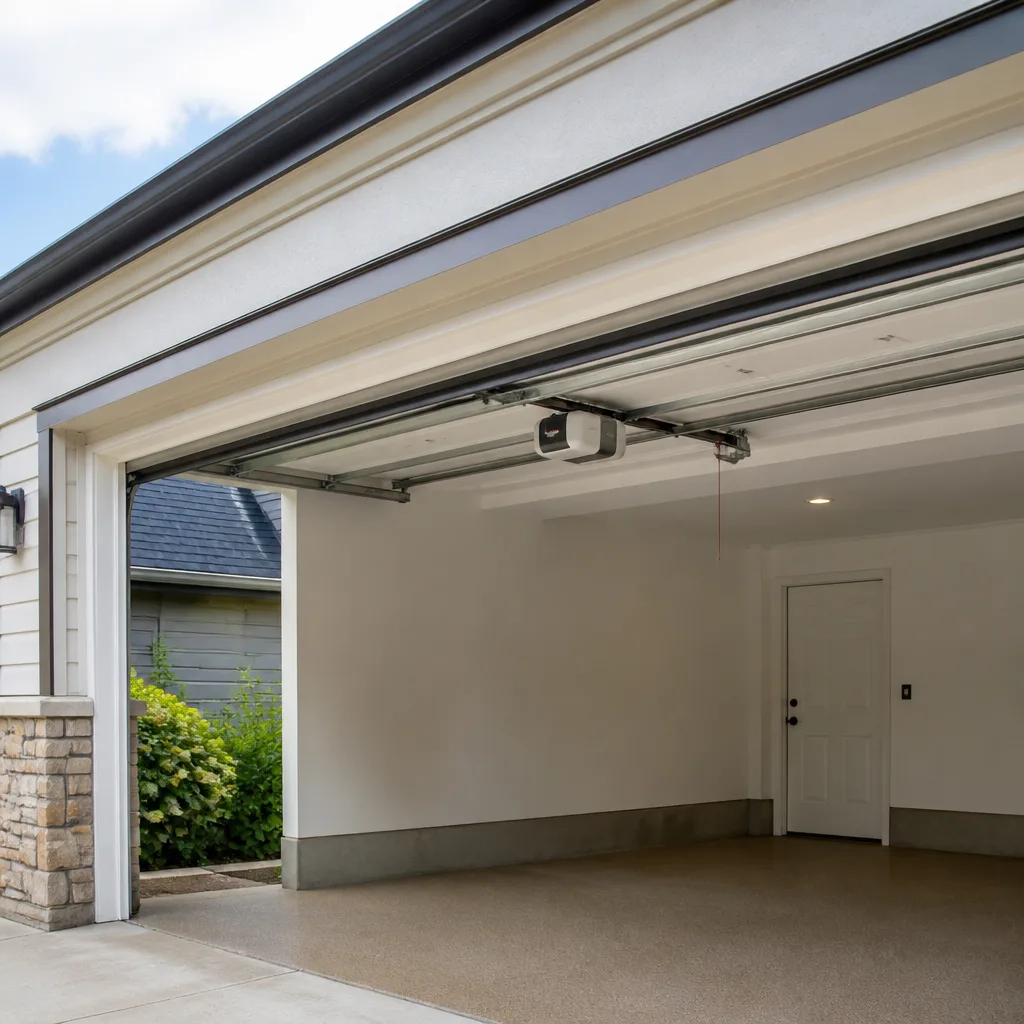 LiftMaster openers
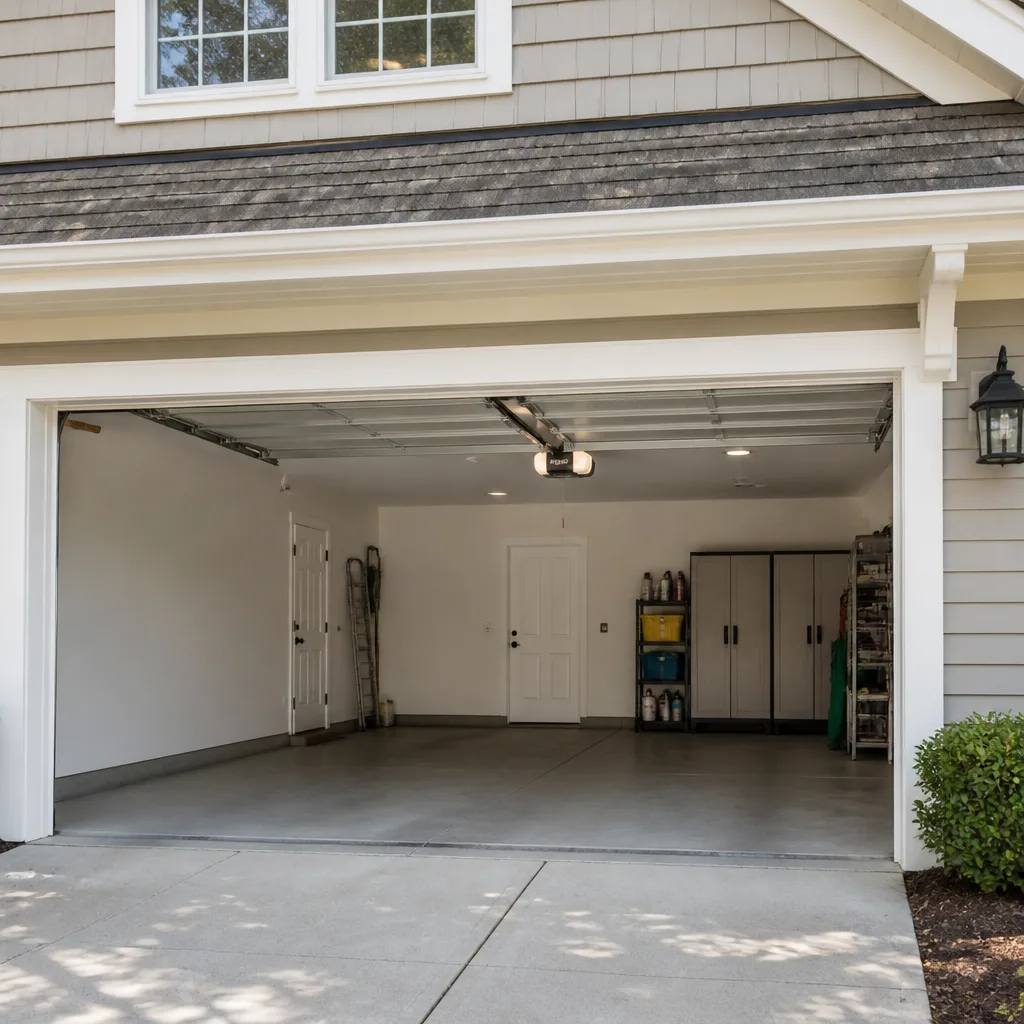 Chamberlain openers
Full 25-point door and opener safety check with every visit - springs, cables, rollers, tracks, and your LiftMaster or Chamberlain opener included
You get a price before we start. It does not change when the pro arrives.
Get your free estimateThe Complete Guide to Garage Doors in Jefferson Park
Most garage doors fail because the wrong door was specified for the wrong garage in the first place. In Jefferson Park, that mismatch shows up fast: low header heights, narrow single-car bays, unheated detached structures, and a freeze-thaw cycle that punishes anything with a loose seal. Nearly half the door and opener options advertised for sale online simply won’t fit or won’t perform here. Because the housing stock is specific, the advice has to be specific too. This guide walks through spring systems, opener selection, insulation, weatherstripping, door materials, and the repair-versus-replace decision, all mapped to the bungalows and two-flats that define Jefferson Park.
Styles & brands we work with
- Raised-panel steel
- Carriage house
- Modern flush
- Full-view glass
- LiftMaster openers
- Chamberlain openers
Quick Answer
For a garage door in Jefferson Park, the right approach starts with your existing structure, not a catalog. Low headroom in older single-car garages usually points to a torsion spring system or a low-clearance opener, not the standard extension setup. Given Chicago’s freeze-thaw cycles and unheated detached garages, a properly sealed steel door typically outperforms carriage-house overlays. And in most cases a panel swap or a spring replacement solves the problem at a fraction of full installation.
Table of Contents
- How Low-Headroom Garages in Jefferson Park Affect Spring and Opener Choice
- Why Alley-Facing Detached Garages Change Weatherstripping and Insulation Priorities
- Steel vs. Carriage-House Overlay Doors: Which Survives Chicago Freeze-Thaw?
- How to Read the Label on Your Existing Door
- Panel Swap vs. Full Replacement: When Each Makes Sense
- Choosing an Opener for Your Brand and Your Garage
- Spring Repair: The High-Risk Repair You Shouldn’t DIY
- Common Mistakes to Avoid
- When to Call a Professional
- Frequently Asked Questions
How Low-Headroom Garages in Jefferson Park Affect Spring and Opener Choice
A standard garage door setup assumes about 12 inches of headroom above the door. Many Jefferson Park garages built as single-car units in the middle of the last century don’t have it. Some are closer to six or eight inches, and a few have none at all once the framing is accounted for. That matters because the wrong opener or the wrong spring choice at the wrong clearance is a door that binds, jerks, or stops halfway up.
Here’s how the clearance question usually plays out in Jefferson Park:
- Standard headroom (12 inches or more): Either a torsion spring system or an extension spring setup can work. Most openers fit fine.
- Low headroom (six to twelve inches): A torsion spring mounted on a low-profile bracket or a dual-torsion configuration is usually the right answer. Rail length and opener body height become critical.
- Very low or no headroom: A low-headroom conversion kit or a high-lift track layout is often the only path. Some openers won’t fit at all without it.
What trips people up is ordering a replacement opener online without checking headroom. A LiftMaster or Chamberlain unit rated for standard clearance may not work in a Jefferson Park garage with a seven-foot ceiling and a low header. The rail won’t clear the spring shaft. The motor body hits the ceiling. You end up with a technically good opener that can’t lift your door.
Extension springs, common on older doors, run along the horizontal tracks and need side clearance instead of top clearance. In some very tight Jefferson Park garages, that’s actually an advantage. But extension springs are more dangerous when they fail because they fly freely. Torsion springs are contained by the shaft. If you’re retrofitting, the spring system should be decided by a technician who’s measured your actual garage, not assumed from a standard spec sheet. For hands-on help with this kind of measurement and repair, our Garage Door Repair Jefferson Park page covers what we handle.
Why Alley-Facing Detached Garages Change Weatherstripping and Insulation Priorities
An attached garage shares at least one wall with the house. Its weatherstripping and insulation decisions are partly about keeping your living room comfortable. A detached garage on a Chicago alley is a different animal. Its job is to keep weather out of an unheated space, protect the car and whatever’s stored inside, and stop wind from driving snow under the bottom seal.
In Jefferson Park, most garages sit off the alley behind the main house. That layout introduces a few realities:
- Wind tunnel effect. An alley between rows of garages catches wind differently than a driveway in a residential front yard. The bottom seal gets more punishment, and the gap under the door becomes the first failure point.
- Snow load on the bottom seal. Plowed snow and drifting along the alley presses against the door bottom for weeks. A cheap vinyl bottom seal hardens and cracks. A heavier rubber U-shape seal survives.
- No shared heat. An unheated detached garage swings from 90 degrees in summer to well below freezing in winter. Insulation isn’t about comfort here – it’s about slowing the expansion and contraction of the door panels and keeping the interior temperature stable enough that condensation doesn’t form on the hardware.
- Pest entry. A garage backing onto an alley sees more rodent pressure than one with a driveway in a private yard. Gaps at the bottom and sides need to close.
For a Jefferson Park alley garage, we generally recommend a perimeter seal upgrade alongside any door replacement, and we check the bottom seal on every repair call. Insulation value matters less than seal integrity in this layout. A well-sealed uninsulated steel door usually beats a well-insulated door with a leaky bottom seal.
Steel vs. Carriage-House Overlay Doors: Which Survives Chicago Freeze-Thaw?
Freeze-thaw cycling is the most punishing weather pattern a garage door faces in Jefferson Park. Water gets into a seam, freezes overnight, expands, and forces the material apart. The next afternoon it thaws and water gets deeper. Repeat this dozens of times per winter and you understand why some doors hold up and others start to delaminate by spring.
Here’s how the two most popular door styles compare on that test:
- Steel doors: A single or dual-layer steel door with a factory finish takes freeze-thaw well. Steel doesn’t absorb water. Scratches that expose bare metal will rust, so touch-up paint matters. A quality steel panel with a proper finish can flex through hundreds of thermal cycles without visible damage.
- Carriage-house overlays: These are the doors with decorative straps, hinges, and handles applied to a flat face. The look suits older neighborhood architecture beautifully. But every overlay strap is a place where water can collect and every screw hole is a place where a finish can fail. On an unheated detached garage in Jefferson Park, an overlay door needs more maintenance, more frequent hardware checks, and a careful check for any loose fittings after each winter.
If you have a well-maintained carriage-house door you love, keep it. Overlay hardware that’s checked each fall and resealed at the first sign of wear lasts a long time. But if you’re deciding between a base steel door and a carriage-house look for a replacement, know that the steel option is more forgiving in this climate, especially on a detached structure with no heat.
Wood doors exist too, and in Jefferson Park’s older housing stock you’ll still see them. They need paint every couple of years and will rot if water gets in. Water-based wood stains don’t give you the protection that an oil-based exterior paint does. On a heated attached garage, wood can be a lifelong door. On an unheated alley garage, it’s a maintenance commitment.
How to Read the Label on Your Existing Door
You don’t need a service call to spec a replacement spring or opener if you know what to look for. Most door manufacturers place a label on the inside face of the door, usually on one of the middle panels or near the bottom bracket. That label has the information the technician needs to match a spring to your door’s weight or to select an opener with the right lifting capacity.
Here’s a step-by-step way to read it:
- Open the door and look on the inside face. The label is a sticker or a metal plate, typically on the top or middle panel toward one end.
- Note the width and height. You’ll see a dimension like 9′ x 7′ or 16′ x 7′. Measure it yourself to confirm – the label reflects the original door, not any modifications.
- Note the door weight. Not every label gives it explicitly. If it doesn’t, some labels give the panel gauge and the number of sections, which lets a technician estimate weight accurately.
- Note the manufacturer and model. This is the most important part for opener compatibility and for sourcing parts. Wayne Dalton, Clopay, Amarr, and Raynor all use different door nomenclature, so a technician needs to know which system your door uses.
- Photograph the label. If you’re calling for a spring or opener quote, a photo of the label plus a photo of the door with the door closed saves a return trip.
If the label is missing or unreadable, don’t guess. A spring calculated for the wrong door weight will wear unevenly at best and fail early at worst. The technician can weigh the door safely and size the spring to it. That measurement is standard on any spring replacement. For a heads-up on the opener side, our garage door opener repair page explains what information helps on those calls.
Panel Swap vs. Full Replacement: When Each Makes Sense
A single dented panel or a door that looks tired is not an automatic replacement. Around here, panel swaps solve a lot of problems for a fraction of the cost of a new door. The question is whether the underlying structure is sound.
When a panel swap is usually the right call
- One or two damaged sections, with the rest straight and unrusted.
- A door still on its original hardware with visible life left in the springs and tracks.
- The section profile is still in production (common with Clopay, Amarr, and Wayne Dalton doors sold over the last several decades).
- No structural damage at the hinge points, brackets, or bottom corner.
When full replacement is a better investment
- Repeated hinge failures or a door sagging across multiple sections.
- Rust breaking through at the bottom panel or the hinges from years of alley-side weather in Jefferson Park.
- An out-of-production section profile that would make a match impossible.
- You’re changing the look of the garage and want it to fit the bungalow architecture.
The panel swap is more common in Jefferson Park than most homeowners expect. A door just needs straight steel and working hardware to accept a new section. The trick is matching the profile. When we can’t match, we explain the options before recommending a full replacement. For an overview of the broader installation decision, our garage door installation page walks through what’s involved.
Choosing an Opener for Your Brand and Your Garage
The opener question in Jefferson Park usually comes down to three things: headroom, door weight, and what’s already wired. Here’s how to match an opener to your garage and to the door manufacturer’s hardware.
- Headroom first. Measure from the top of the door to the ceiling. Anything under 12 inches means you’re looking at a low-clearance or side-mount option. If you’re not sure, don’t guess – it wastes a purchase.
- Door weight second. Belt-drive openers handle most standard residential doors comfortably. Chain-drive openers are louder but harder-wearing. Jackshaft openers mount to the side of the torsion shaft and work well where headroom is scarce.
- Brand and parts third. If your door is a LiftMaster or Chamberlain system, the opener should match the existing hardware and safety sensor logic. Craftsman openers often have their own remotes and settings that need carrying over. When you call for garage door repair on the opener side, note the brand and model of both the door and the opener – that’s what helps a technician diagnose quickly.
Two things to avoid. Don’t buy based on Wi-Fi or smartphone features alone – the opener still has to lift your door safely. And don’t replace the opener when the door itself is the problem. A door that binds or jerks will strain a brand-new LiftMaster opener as quickly as it did the old one. If the door itself isn’t gliding smoothly, that’s the issue to solve first.
Spring Repair: The High-Risk Repair You Shouldn’t DIY
Garage door springs are under serious mechanical tension. When a torsion spring breaks, it releases that energy instantly. When an extension spring snaps, the loose length travels. Both are among the most dangerous residential repairs a homeowner can attempt, and the failure rate for DIY spring jobs reflects that.
Spring repair done right means matching the spring to the door’s actual weight, using the right wire gauge, and checking the counterbalance as part of the job. We handle spring repair as a core service. In Jefferson Park, most spring failures show up in cold snaps and after long stretches of no use – the spring has been sitting under tension and finally gives. That pattern is common on alley garages that don’t see daily traffic.
What we check on a spring call:
- Both springs if one has failed – matched pairs usually fail close together.
- Cables for fraying or looseness, since a snapping spring often damages a cable.
- The center bearing plate and end plates for wear.
- The rollers and hinges, which take extra strain in the weeks before a spring fails.
If a spring has snapped, stop using the door. An unbalanced door that’s running on one spring puts load on the opener and the track. If you hear a bang from the garage or the door feels heavy to lift, call before trying to cycle it again. This is one repair we strongly recommend against attempting yourself.
Common Mistakes to Avoid
- Buying an opener online without measuring headroom. A standard opener in a low-headroom Jefferson Park garage won’t fit. Measure first, or have a technician confirm.
- Replacing only one spring of a matched pair. The remaining spring is usually near the end of its life. Replacing both at once saves a second visit and prevents a second failure.
- Ignoring the bottom seal on an alley garage. In Jefferson Park, the bottom seal takes more punishment than any other part of the door. Check it every fall and replace it before winter.
- Skipping a panel match before ordering. An out-of-production section can’t be matched. Confirm the profile is still available before placing an order for a “simple” panel swap.
- Assuming a new opener fixes a heavy door. A stiff door will wear out a new opener just as fast as an old one. Fix the door’s movement first.
- Letting carriage-house overlay hardware go unchecked through winter. Loose straps or fittings after a freeze-thaw season can pull away from the door face. Check and tighten them each spring.
- Choosing a wooden door for an unheated alley garage without committing to the maintenance. Wood is fine on a heated attached garage. On a detached unheated structure in Jefferson Park, it needs repainting more often than most homeowners expect.
When to Call a Professional
Some issues genuinely need a trained technician. Call us if a spring has snapped or the door feels heavy to lift, if the door binds or jerks on its tracks, if the opener hums but doesn’t move the door, if a panel has separated at a hinge point, or if you’re unsure whether a panel swap or a full replacement is right for your Jefferson Park garage. Spring work and cable work are the two jobs where the risk of injury is real. What looks like a small repair at the bottom bracket can move and cause serious injury in a fraction of a second.
Garage Door Repair Jefferson Park offers free estimates in Jefferson Park – call (877) 792-5778. We answer 24/7. Fast dispatch from 7am to 7pm, Sunday through Friday. The estimate sets the price before any work starts, so you know exactly what the job will cost. Our technicians have up to 12 years of experience and work on the brand you already have, whether that’s LiftMaster, Chamberlain, Genie, Clopay, Amarr, Wayne Dalton, Craftsman, or Raynor.
Frequently Asked Questions
Most garages in Jefferson Park are single-car detached units built between the 1920s and 1960s, often facing the alley. Doors are typically narrower than standard two-car widths (often 8 or 9 feet), and many are steel or wood in a raised-panel or carriage-house style. The structure is usually unheated, which affects insulation and seal decisions more than any other factor.
Yes, in most cases. Garages with less than 12 inches of headroom above the door typically need a low-clearance opener, a side-mount jackshaft opener, or a low-headroom conversion kit. Measuring closely is worth the effort. A standard opener won’t fit in a Jefferson Park garage with a low header, and returning it after installation starts is a headache. Call (877) 792-5778 for a free estimate on your garage.
Spring replacement is priced per job and depends on whether you have one spring or a matched pair, the wire gauge, and the door weight. The written estimate you get before work begins is the price – it doesn’t change because of what the technician finds on arrival. Call (877) 792-5778 to schedule a free estimate. We answer 24/7. Fast dispatch from 7am to 7pm, Sunday through Friday.
Yes. Carriage-house doors work fine on unheated detached garages in Jefferson Park, though the overlay hardware needs periodic tightening and finish checks after each winter. Steel-bodied carriage-house doors hold up better than wood or composite overlays. We install and service Clopay, Amarr, Wayne Dalton, and Raynor doors directly.
A single damaged section with sound hardware is usually a panel swap. Multiple hinge failures, rust at the bottom panel, or an out-of-production profile usually point to a full replacement. Send us a photo of the damaged panel and the door label, and we can often tell you what’s possible before a visit. Call (877) 792-5778 for a free estimate and a written price for whichever path fits.
No. We quote the job from a free estimate and confirm the price before any work starts. If a panel swap turns out to be the wrong path, we tell you before doing anything else, and you decide on a new estimate. Our technicians work on LiftMaster, Chamberlain, Genie, Clopay, Amarr, Wayne Dalton, Craftsman, and Raynor systems, so the estimate reflects the real brand in your garage. Call (877) 792-5778 to get your written estimate. We answer 24/7. Fast dispatch from 7am to 7pm, Sunday through Friday.
The Bottom Line
Jefferson Park garages reward specific decisions over generic ones. Low headroom in many single-car garages makes torsion springs or low-clearance openers the safer bet. Unheated detached structures shift the priority from insulation R-value to seal and hardware integrity, especially on alley-facing doors. Steel wins on freeze-thaw in this climate, and carriage-house overlays need a yearly hardware check to stay solid. Read the label on your existing door before ordering parts. And before you replace a door that only needs one panel, get a second estimate. Most of the time, repair is the right call. Parts and repair across eight major brands are one call to (877) 792-5778 – the estimate is free, and the price is set before work begins.
Written by the team at Garage Door Repair Jefferson Park.
See the difference
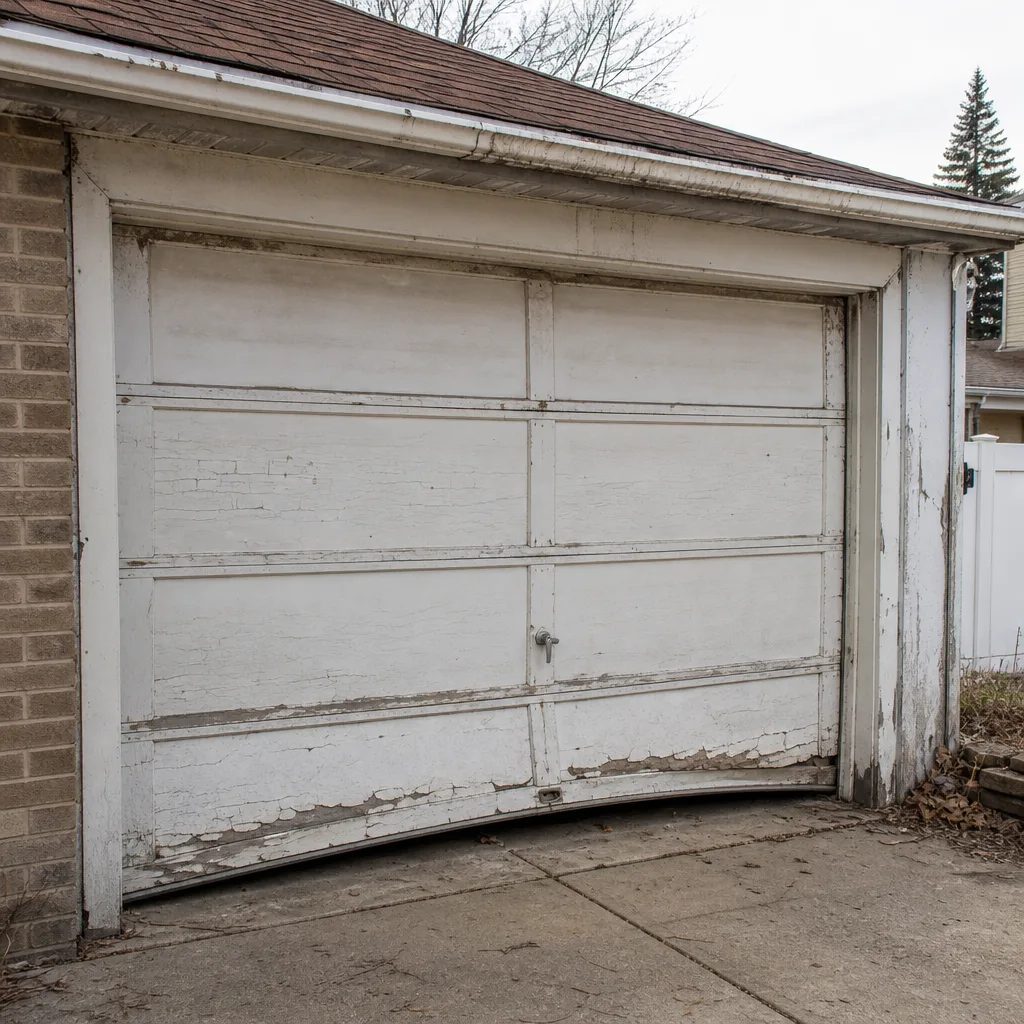 Before
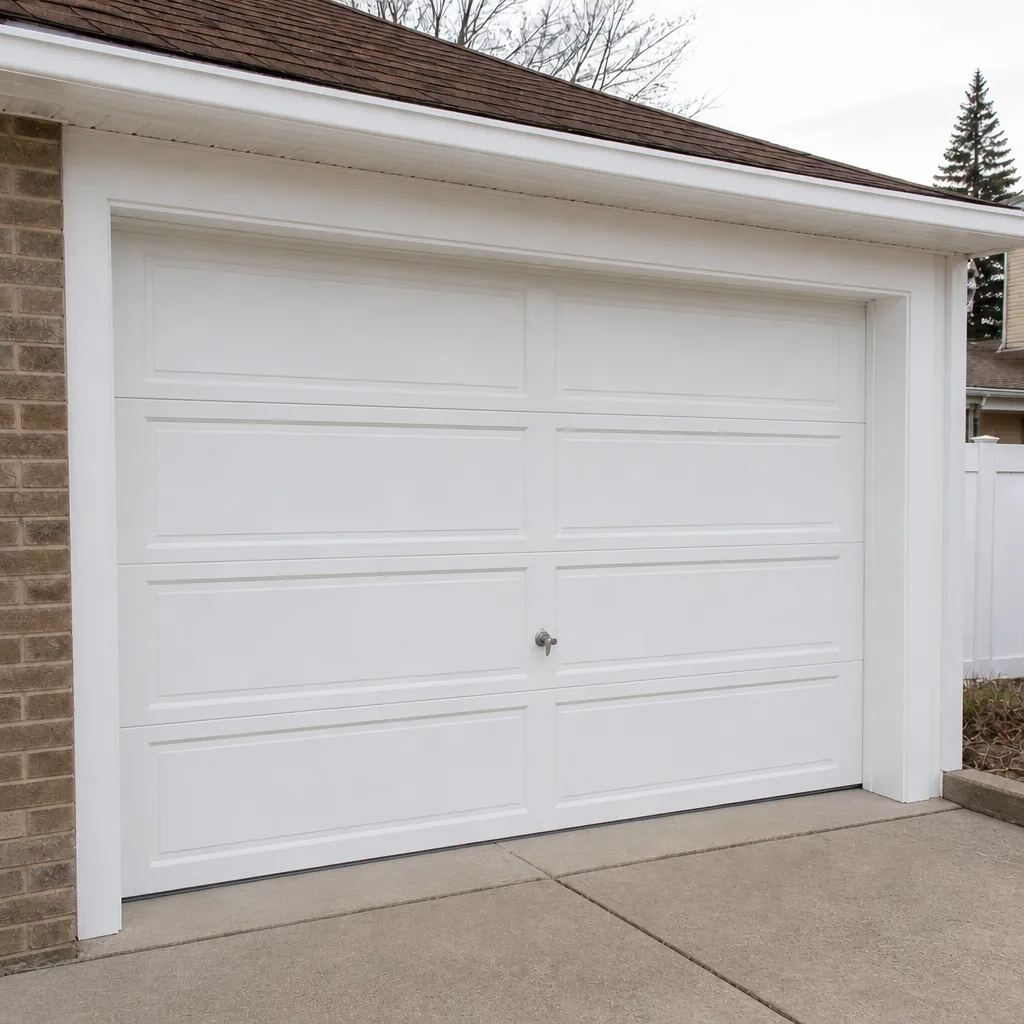 After
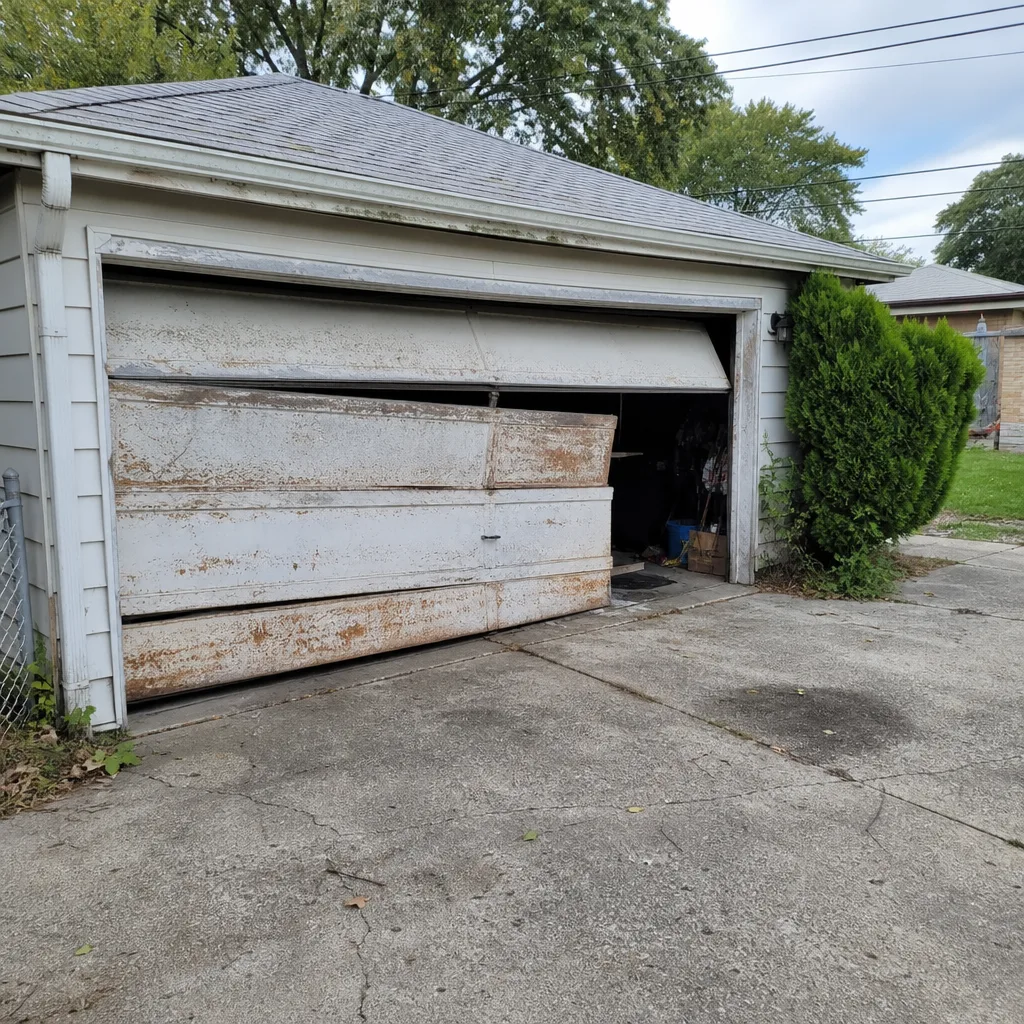 Before
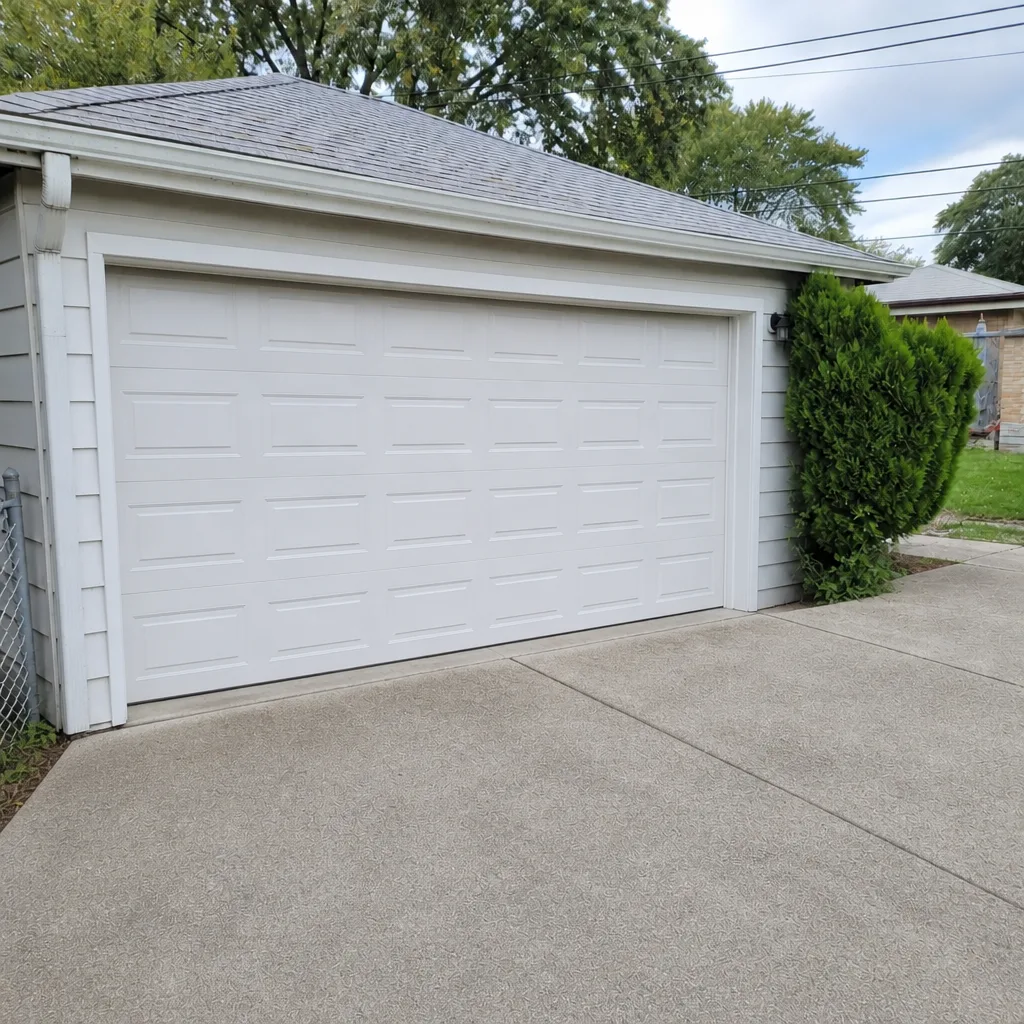 After
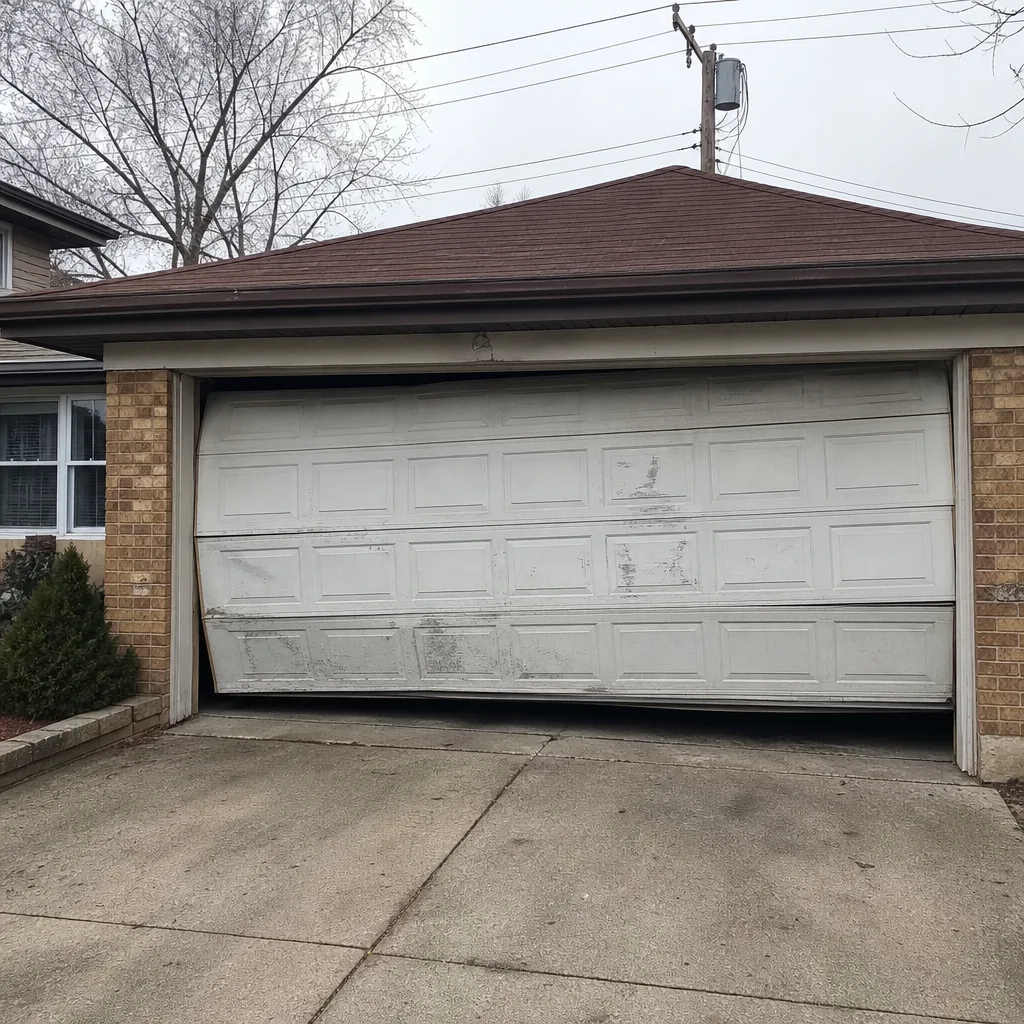 Before
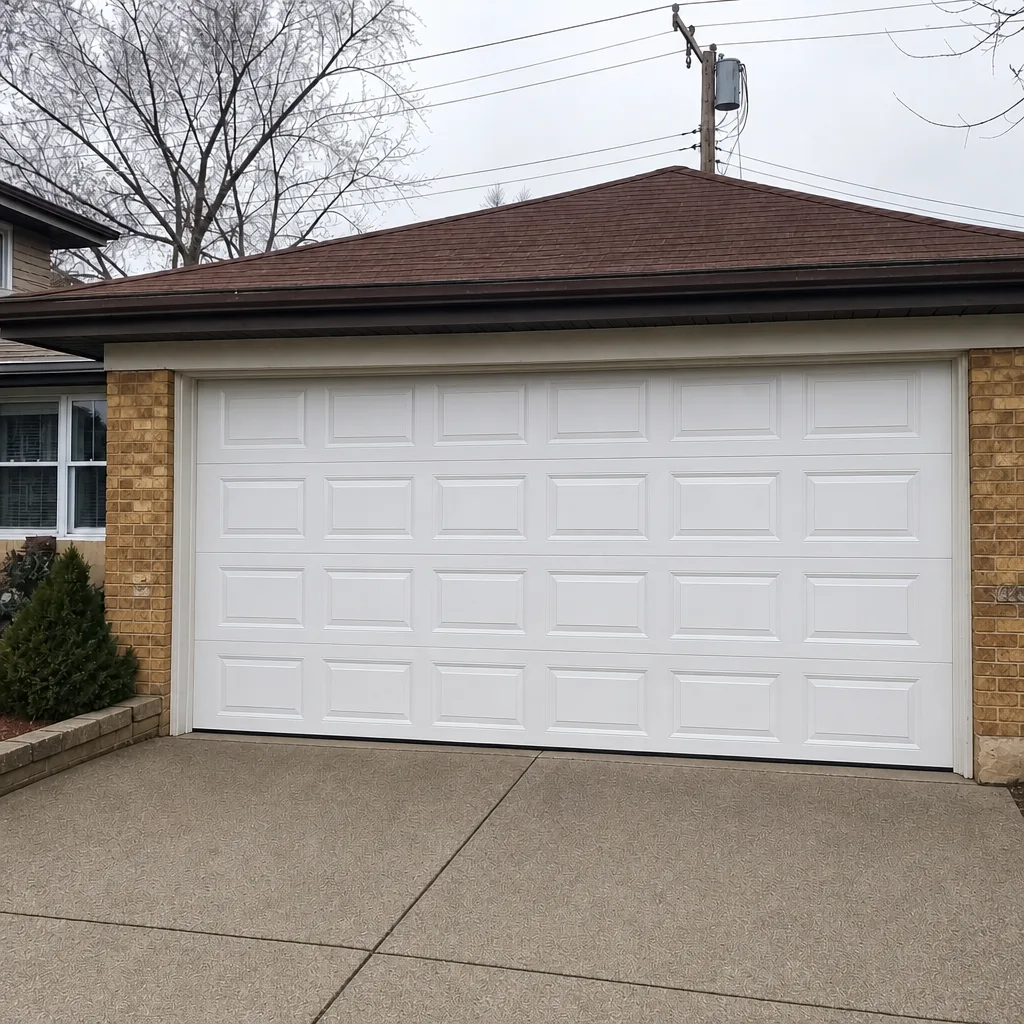 After