
Last updated November 20, 2026
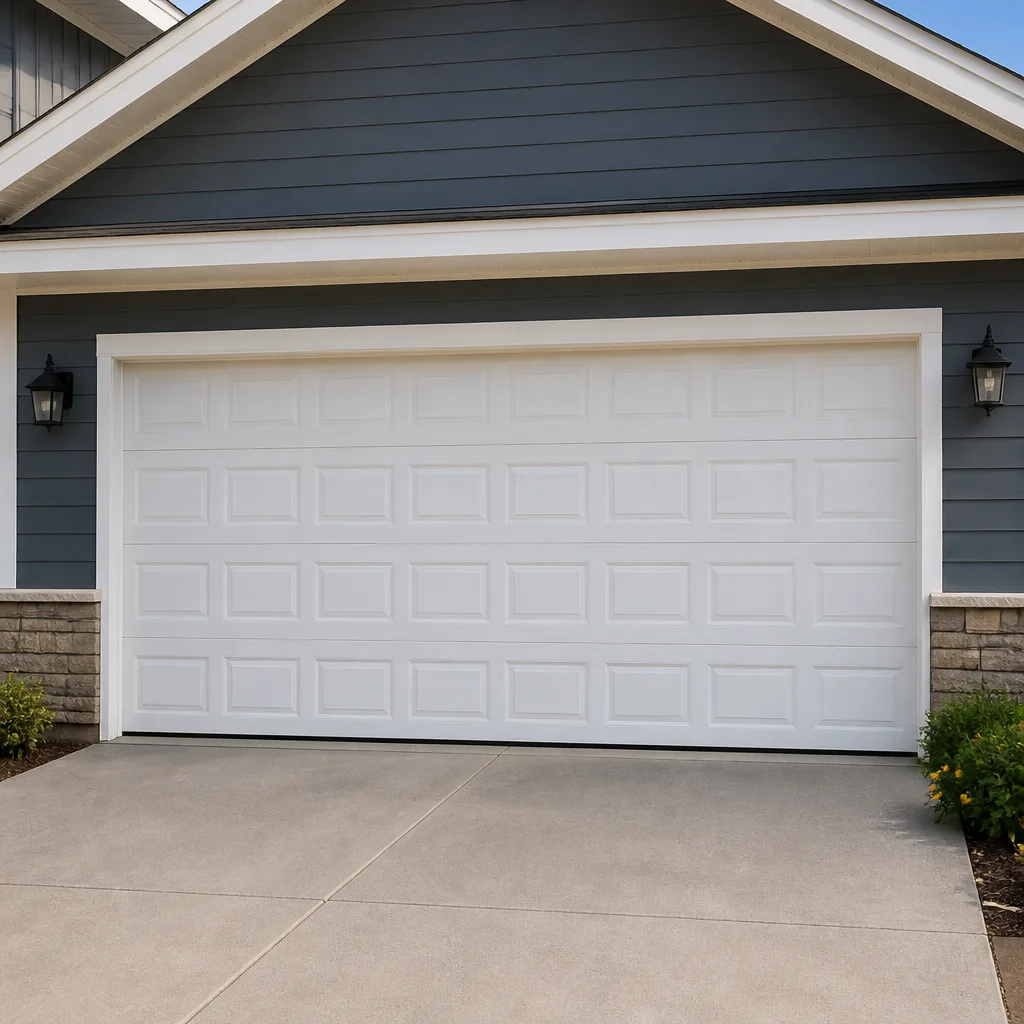 Raised-panel steel
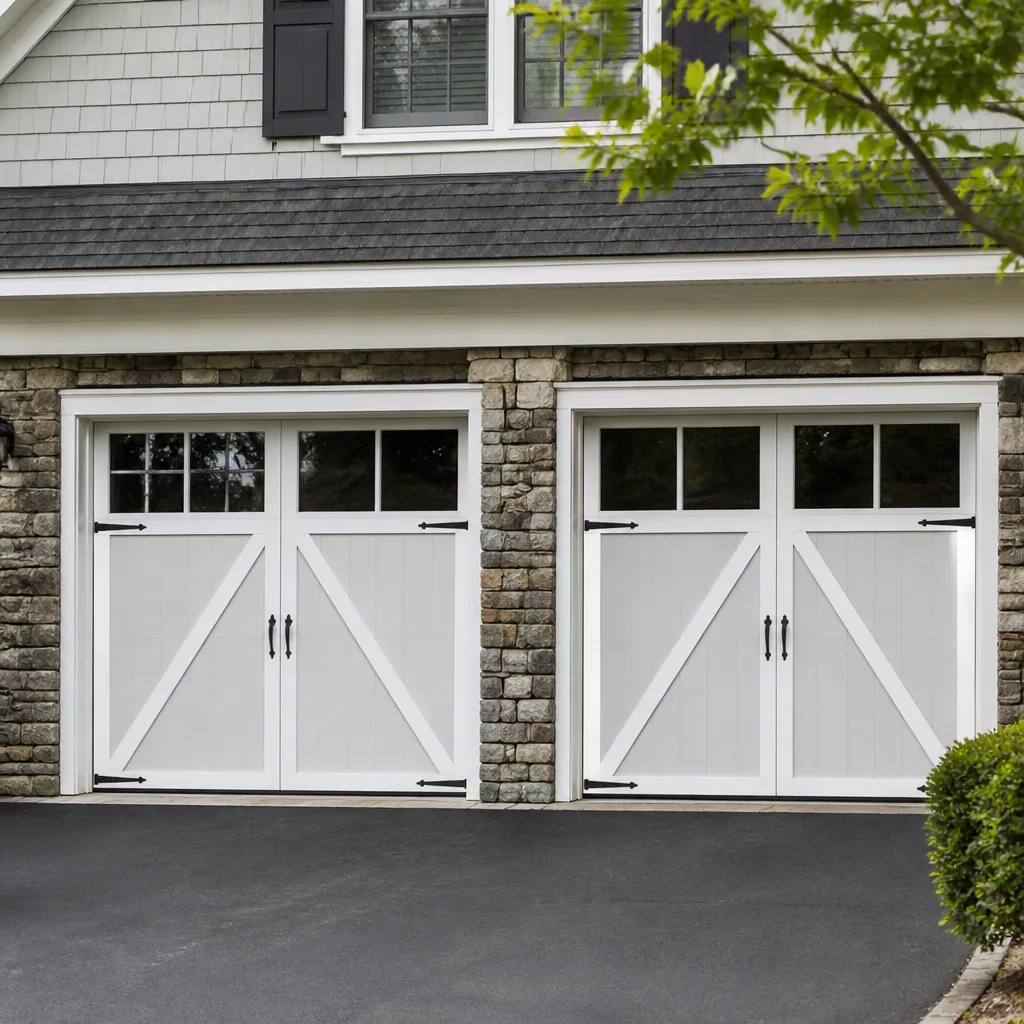 Carriage house
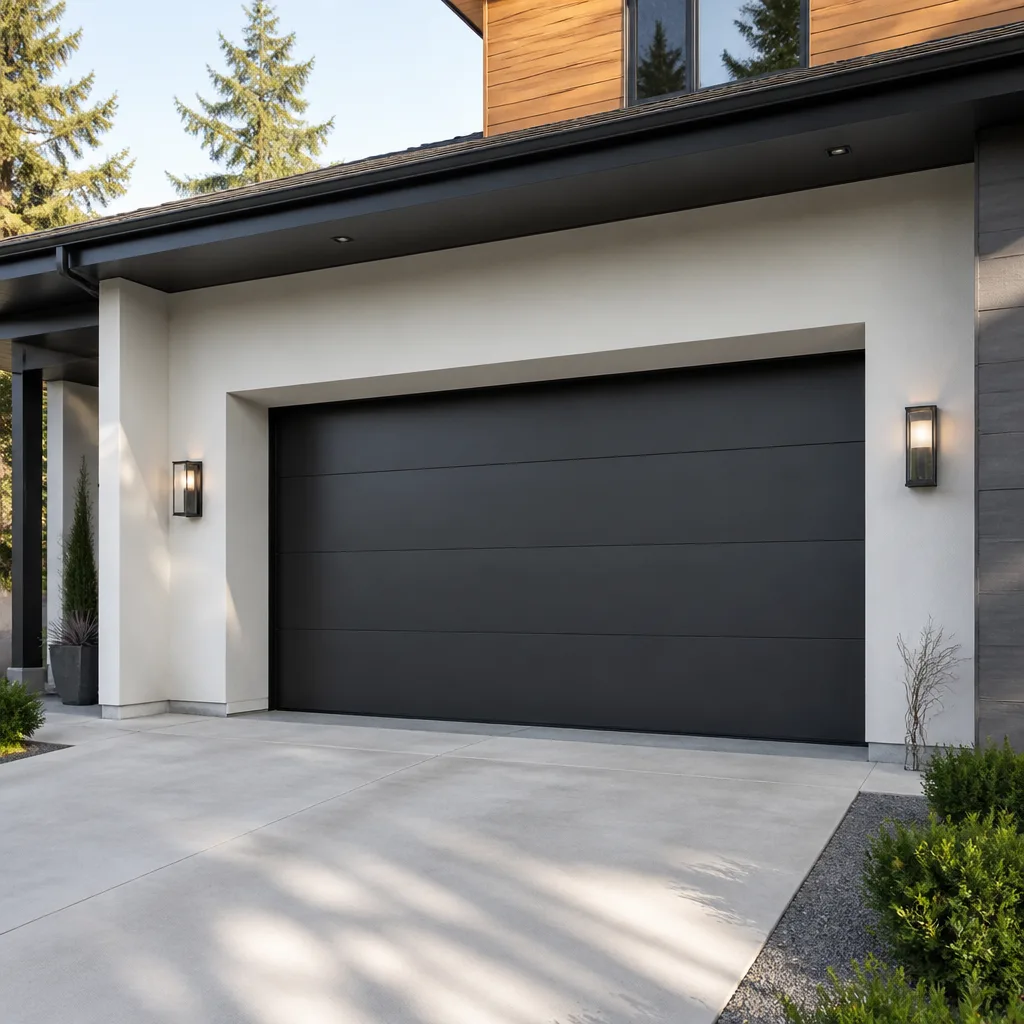 Modern flush
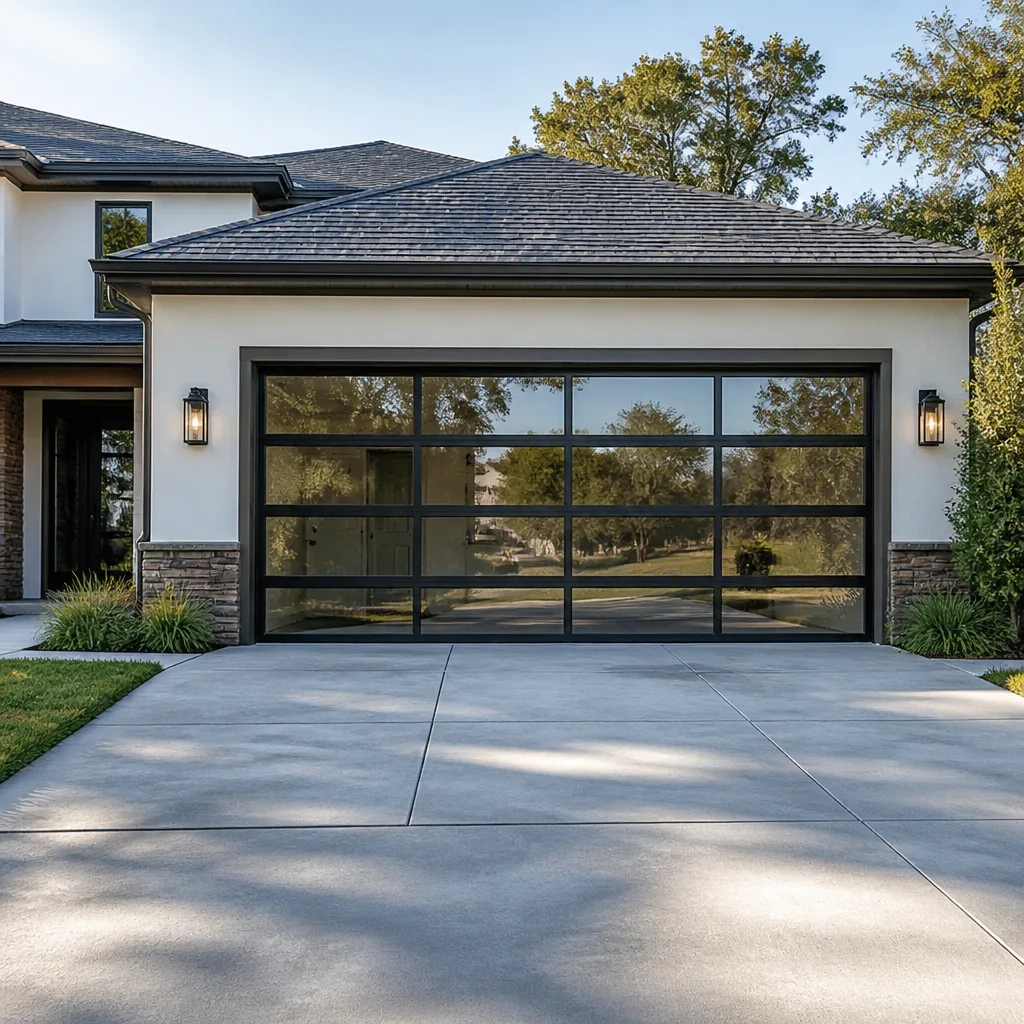 Full-view glass
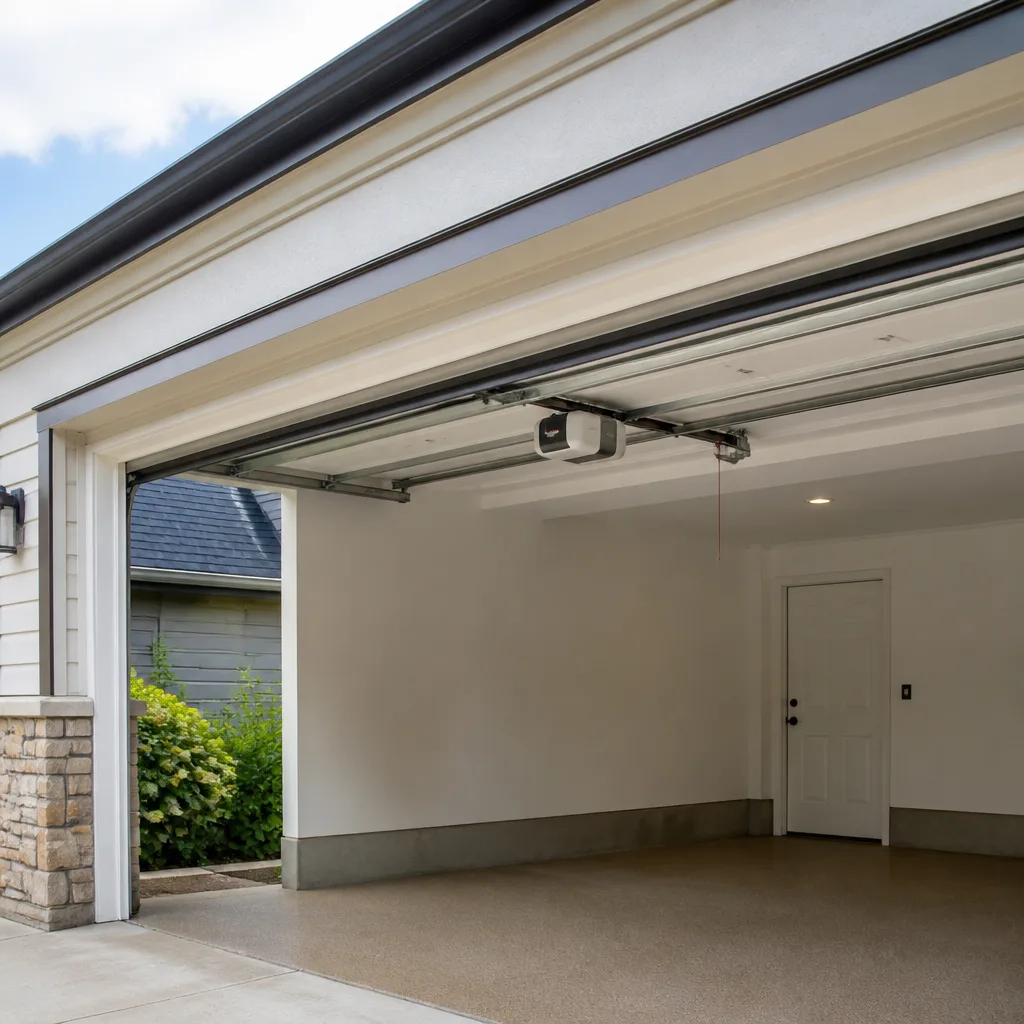 LiftMaster openers
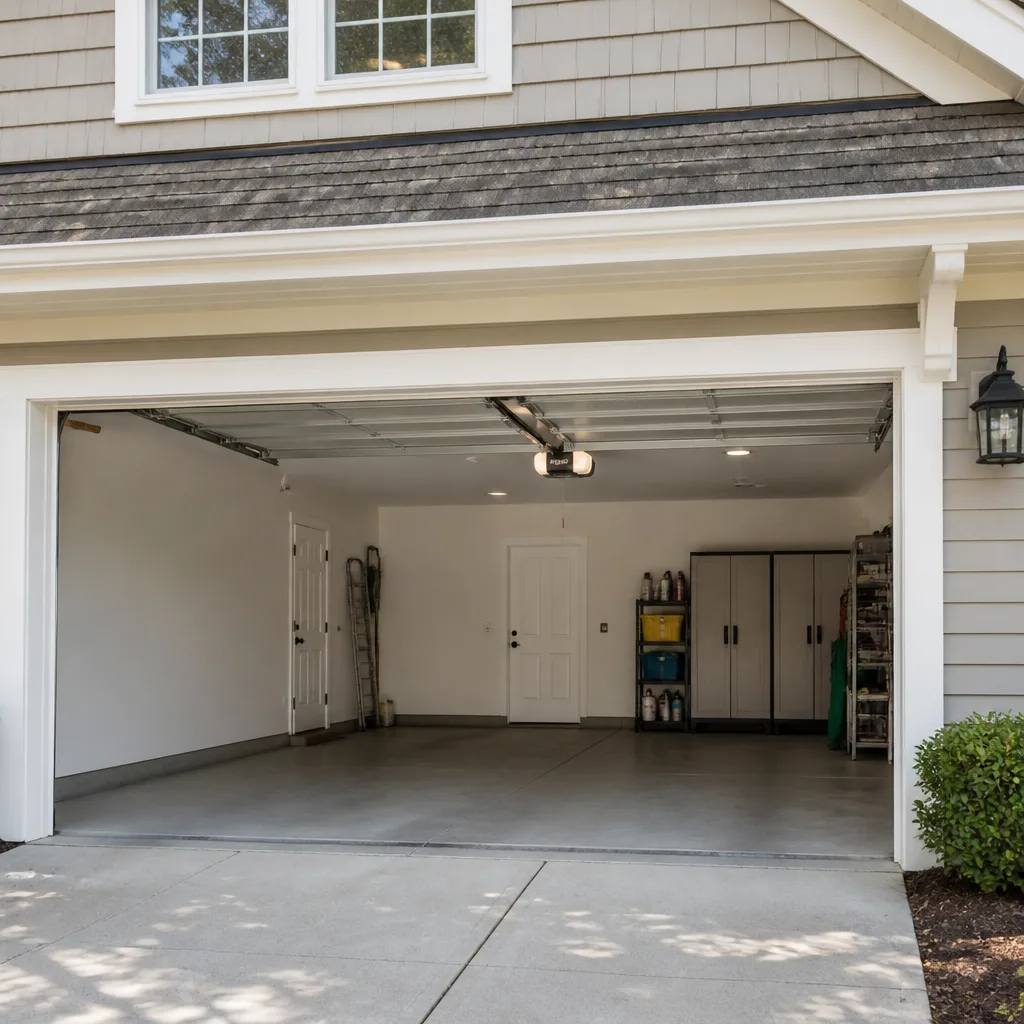 Chamberlain openers
Full 25-point door and opener safety check with every visit - springs, cables, rollers, tracks, and your LiftMaster or Chamberlain opener included
You get a price before we start. It does not change when the pro arrives.
Get your free estimateGarage Door Warning Signs: A Jefferson Park Homeowner’s Reference Guide
A door that takes two seconds longer to open than it did last month is not “getting old.” It’s telling you the spring tension is dropping, and you may have a few weeks before it won’t open at all. That’s the part most homeowners miss: garage door failures rarely arrive without warning. They happen because nobody knew which sounds, movements, and visual cues mean “call now,” which mean “watch it,” and which mean “it’s fine.” This guide is our attempt to fix that. Inside, you’ll learn to read your door the way a technician does, from the shudder that signals a fraying cable to the paint cracks that predict a broken torsion spring, so you can act on the right warning at the right time here in Jefferson Park.
Quick Answer
The main warning signs of a failing garage door are grinding, popping, or scraping sounds, a door that moves unevenly or drifts as it closes, visible gaps or rust lines on the springs, and an opener that reverses for no reason. Any of these usually means a worn part that’s cheaper to fix now than after it fails completely. Three signs mean stop using the door today: a snapped spring, a visibly frayed or hanging cable, and a door that comes down faster than it should. Those are safety calls, not wait-and-see calls.
Styles & brands we work with
- Raised-panel steel
- Carriage house
- Modern flush
- Full-view glass
- LiftMaster openers
- Chamberlain openers
Table of Contents
- Why You Should Learn to Read Your Door Like a Technician
- The Sound Diagnosis: Grinding Rollers vs. a Grinding Opener Gear
- Movement Warnings: Drift, Uneven Travel, and the Cable Shudder
- Reading Your Springs: Coil Gaps, Rust Lines, and Paint Cracks
- Opener Behavior Flags That Aren’t the Motor’s Fault
- The Three Signs That Mean Stop Using the Door Immediately
- The Watch-It List: Signs That Can Wait a Little, But Not Forever
- How Jefferson Park Seasons Shape What Fails and When
Why You Should Learn to Read Your Door Like a Technician
A garage door is a system, not a single machine. The springs hold the weight, the cables keep the door square, the rollers carry it along the track, and the opener only supplies the push. When one part starts to wear, it usually announces itself before anything breaks, through sound, movement, or appearance. A technician listens for thirty seconds and watches one full cycle before touching anything. That’s the skill worth borrowing.
The reason it pays off in Jefferson Park is simple economics. A worn nylon roller is a small part with a small price. A door that’s been running with a bad roller for months wears its track, and then you’re paying for two fixes instead of one. The same logic runs through the whole system. Catching a problem at the “watch it” stage is always cheaper than catching it at the “stop using the door” stage.
Here’s the mental model we use on every call. Every warning sign belongs to one of three categories:
- Green: Normal operation. The door is quiet, level, and steady, and it behaves the same way it did last season.
- Yellow: Watch it. Something has changed: a new sound, a slight delay, a small gap on a spring coil. Schedule a repair before it turns into a failure.
- Red: Stop now. The door is unsafe to operate. Don’t open or close it again until a professional looks at it.
The rest of this guide teaches you where each sign falls. If your door is already in the red zone, skip ahead to that section and get it checked. For everything else, read on. Knowing which category you’re in takes the guesswork out of whether to worry.
The Sound Diagnosis: Grinding Rollers vs. a Grinding Opener Gear
A grinding noise from your garage door comes from one of two very different places, and telling them apart changes what you do next. If the grind comes from the door itself, near the tracks and hinges, it’s usually a worn roller and it’s an inexpensive fix. If the grind comes from the opener housing mounted on the ceiling, it’s often a stripped gear inside the unit, and the fix is a repair or replacement of that component. Same noise, different problem, different response.
Here’s how to tell them apart in practice:
- Stand in the garage and press the wall button. Don’t look at the door; listen.
- If the noise starts the moment the motor engages but before the door begins to move, it’s coming from the opener.
- If the noise tracks the door’s travel along the tracks, it’s coming from the door hardware.
- If the noise is loudest at the hinges or where the rollers sit in the track, you’re looking at a roller problem.
Grinding rollers usually mean the nylon sleeve that lets the roller turn has worn flat, so the metal stem is dragging in the hinge. The door still opens, which is why people ignore it, but every cycle grinds more material off the roller and stresses the track. Replacing the rollers is a routine job, and it’s the kind of thing our Garage Door Repair Jefferson Park team handles constantly on doors that are otherwise in good shape.
A grinding opener gear lives inside the motor housing and is often made of plastic designed to fail before the motor does. When it strips, the motor spins but the door doesn’t move, or it moves with a harsh grinding drone. This is where brand matters. Whether you own a LiftMaster or a Genie, the gear and rail design differ, and diagnosing it properly means knowing the specific unit. That’s exactly the kind of garage door opener repair we do for Jefferson Park homeowners, and it’s why we keep parts for the major brands rather than pushing a full opener replacement when a component will do.
One more sound worth knowing: a sharp pop followed by silence. That’s usually a spring breaking, and it belongs in the red category.
Movement Warnings: Drift, Uneven Travel, and the Cable Shudder
How your door moves tells you more than how it sounds. Watch one full open-and-close cycle and note three things: whether the door stays level, whether it travels at a steady speed, and whether it vibrates in a consistent pattern. Changes in any of these are among the earliest warning signs you can catch.
Door drift on close
Drift is when you release the door partway down and it sinks instead of holding. On a door with a manual release, a door that won’t hold its position suggests the spring tension is no longer balancing the door’s weight. That means the springs are working harder than they should, the opener is carrying load it wasn’t designed for, and both wear faster. In our experience, drift is one of the most commonly ignored signs, because the door still opens and closes, so people assume it’s fine.
Uneven travel speed
A door that speeds up on one side or slows down on the other is usually fighting a misaligned track or a roller that’s binding. Don’t force it. Running a door with a bent track grinds the rollers and can pull the door out of square, which turns a track adjustment into a bigger repair.
The cable shudder pattern
Look closely at the cables that run along the sides of the door, and listen for a specific shudder: a rapid, jittery vibration as the door travels, often paired with a rhythmic ticking. That pattern points to a cable beginning to fray. The cable strands are individual wires wrapped together; when some of them break, the remaining ones load unevenly and vibrate. A small amount of visible fraying is a yellow sign. A cable that’s visibly hanging loose or has snapped is red. Frayed cables are dangerous, and they’re one reason a trained professional should handle cable work rather than a homeowner attempting it. Moving to a garage door repair call early is what keeps a fraying cable from becoming a jammed or dropped door.
The simplest test: open and close the door slowly and watch the cable on both sides. Both cables should stay taut and track smoothly along their drums. If one is slack, kinked, or visibly frayed, stop and call.
Reading Your Springs: Coil Gaps, Rust Lines, and Paint Cracks
Your springs carry the entire weight of the door, and they give you visual warnings well before they break. If you have torsion springs, the coil assembly is mounted on a bar above the door. If you have extension springs, they run along the tracks on each side. Either way, the clues are about gaps, rust, and cracks.
Coil gaps
A healthy torsion spring is a tight, even coil. When a spring starts to fatigue, the coil can develop a visible gap, or the coil wind visibly loosens and shifts. A gap in the coil is a yellow sign: the spring is losing tension and a break is likely coming. It doesn’t mean the door is dangerous today, but it does mean you should schedule a repair now rather than after the spring snaps.
Rust lines
Rust that forms in a line along the coil, rather than a patch here and there, often tracks a stress point in the wire. It’s a sign of wear, and worth checking with a professional. Rust itself won’t necessarily break a spring, but combined with a visible gap or crack, it adds weight to the “schedule it soon” case.
Paint-crack patterns
Springs are typically painted or coated, and the coating cracks where the metal is being flexed the hardest. Fine hairline cracks along the coil are the earliest visual sign of fatigue. When you see cracks plus a gap, the spring is weeks from failure. That’s not alarmism, it’s just the physics: the wire is at the end of its cycle life and continuing to load it hastens the break.
One thing to be careful about here: springs are under high tension, and a torsion spring in particular stores enough energy to cause serious injury if handled without the right tools and technique. This is the part of garage door work that gets homeowners hurt, so treat spring inspection as a look-only activity. Note what you see, and let a technician handle the rest. We’re careful about this because spring repair is one of the highest-risk jobs in the trade, and we treat it as a core part of what we do rather than an afterthought.
Don’t confuse a green field for a red one: a single hairline crack with a tight coil and no gap is something to watch, not panic about. A broken spring, which is usually a loud pop and then a door that won’t lift, is a red sign and a stop-using-the-door situation.
Opener Behavior Flags That Aren’t the Motor’s Fault
A door that reverses without hitting anything usually has a dirty or misaligned safety sensor, not a failing motor. The sensors are the small lenses mounted at the base of the tracks on each side of the opening, and they send an invisible beam across the doorway. If dust, cobwebs, or a shifted bracket breaks that beam, the opener reads it as an obstruction and reverses the door for safety. That’s the door working as designed, not a motor on its way out.
Before you assume you need a new opener, run through this checklist:
- Wipe both sensor lenses with a dry cloth.
- Check that the sensors are pointing at each other. A bumped sensor bracket throws the beam off.
- Check that nothing (a broom handle, a bag, a shovel) is sitting in the beam path.
- Press the wall button and watch whether the door closes smoothly now.
If the door still reverses, the issue might be a faulty sensor or the wiring behind it. That’s where a garage door specialist earns their keep, because diagnosing an opener correctly means knowing the brand. A Chamberlain unit with a newer sensor design behaves differently from an older Genie, and a technician who works across both diagnoses the specific unit rather than guessing. Our technicians have up to 12 years of experience, and their familiarity with the major brands means they diagnose what’s in your garage, not what’s on a preferred vendor list.
Other opener flags worth noting:
- The door reverses every time you close it, even after cleaning the sensors. Could be a wiring fault or a failing logic board.
- The opener runs but the door doesn’t move. Usually a stripped gear or a broken chain/belt, not the motor.
- Light flashes and the door won’t respond. Often a safety-lockout code; the opener is protecting itself.
- The door loses its travel limits and stops short. The opener’s programming has drifted, or the limit switches are loose.
None of these automatically mean a full replacement. Many are parts fixes, and that’s why we stock components for brands like LiftMaster and Chamberlain rather than telling every homeowner to start over with a new unit.
The Three Signs That Mean Stop Using the Door Immediately
Three symptoms are red signs, and the right response to each is the same: stop operating the door and call a professional before the next cycle. These are the warning signs where a single extra operation can turn a manageable repair into an injury or a larger failure.
- A broken torsion spring. The door will feel heavy, may not raise at all, or may lift only with the opener straining. Operating it further loads the cables, the opener, and the frame, and the door can come down fast. Don’t try to lift it by hand.
- A frayed, kinked, or loose cable. A cable is what keeps the door square and controlled. A cable that’s visibly frayed or hanging can slip off its drum and cause the door to drop on one side. Leave it alone.
- A door that closes too fast or drops unevenly. If the door accelerates on its final descent or lands hard, the balance is compromised. A door coming down faster than it should can hurt anyone underneath it.
There’s a fourth situation that belongs here even though it isn’t on the door itself: a door that’s visibly off its track or partially hanging at an angle. Don’t try to push it back into the track. An unbalanced door can shift suddenly, and the repair is safer with the tension released by someone who knows how.
When one of these happens in Jefferson Park, the safest move is to leave the door closed, park outside if you need to get a car clear, and call us. Our line is answered 24/7 at (877) 792-5778, and we can book a fast dispatch from 7am to 7pm, Sunday through Friday, to get the door stabilized. If you can’t operate the door safely, that’s not a wait-and-see problem.
The Watch-It List: Signs That Can Wait a Little, But Not Forever
Most warning signs fall in the middle category, and this is where a little judgment saves the most money. The yellow signs are worth fixing on a planned basis, not on an emergency basis. Schedule the repair, get it done, and you avoid the red-zone failure that costs more and happens at a worse time.
- A single hairline paint crack on a spring with no gap. Early fatigue. Watch it over the next few weeks and schedule a spring inspection.
- A worn roller that grinds on one or two hinges. The door still opens, so this can be planned, but continuing to run it wears the track. Parts supply means we can get the replacement rollers without a long wait.
- A small gap in the coil with no break yet. Schedule a spring replacement rather than waiting for the pop.
- A door that drifts down slightly after you release it. Spring tension is dropping. Book a balance check.
- The opener’s lights flash and the remote needs a second press to work. Usually a remote battery, sensor alignment, or programming issue. Not urgent, but worth fixing.
- A slight rattle on close that wasn’t there last season. Check the hinge bolts and roller stems. Loose hardware can be tightened before it grinds.
The pattern worth noticing: yellow signs are almost always parts-level issues. A roller, a sensor, a hinge bolt, a drift adjustment. That’s the exact kind of work where having the parts in hand changes the timeline, because the repair can happen in one visit rather than waiting on an order. Our approach is simple: we fix the part, and we only recommend a full replacement when the door structure or the operator genuinely can’t be saved.
How Jefferson Park Seasons Shape What Fails and When
Garage door failure in Jefferson Park has a seasonal rhythm, and knowing it helps you read the calendar along with the door. This part of Chicago sees real winter: freezing nights, snow, road salt tracked onto the concrete, and the freeze-thaw cycle that repeats for months. That cycle is hard on anything mechanical, and a garage door is mechanical.
Here’s where the seasons tend to bite:
- First hard freeze. This is when a spring that’s been running at the edge of its life tends to let go. The cold makes the metal less forgiving, and a spring that’s already showing a paint crack or a small gap can break on the first cold morning of the season.
- Winter thaw cycles. Moisture gets into the track and the hardware, then freezes and expands. A track that gets slightly bent by ice is more likely to bind when the door runs.
- Spring. This is when homeowners notice the damage the winter did: rust in the tracks, a roller that grinds, a cable that looks frayed, or a door that suddenly travels unevenly.
- Summer heat. Warm weather is easier on the door but hard on the opener. Heat and use wear down the gear that strips first.
The neighborhood context matters too. Jefferson Park’s housing stock includes plenty of older detached garages and doors, many of which are still running original or second-generation hardware. Older doors are usually built well, but their springs, rollers, and openers have cycled tens of thousands of times. That doesn’t mean replace them. It means read them more carefully, because the warning signs are the difference between a clean repair and a hard failure.
For homeowners planning ahead rather than reacting, the best time to schedule an inspection is before the first freeze and again after the last thaw. That way you’re reading your door during the mild seasons, not on the coldest night of the year. If your door is newer, the same logic applies to the opener, because modern openers still need the same gear maintenance that older models did.
When a door is beyond repair and a replacement is the right call, that’s a scheduled project rather than an emergency one, and it’s worth planning around the season. A new door quoted and measured in mild weather means it’s installed before the freeze rather than during it. You can read more about the garage door installation process on our site. We also supply garage door parts directly, so a homeowner who only needs a component isn’t pushed toward a full-door job.
Common Mistakes to Avoid
- Assuming a delay means the door is “getting old.” A door that takes longer to open than it used to is usually a spring tension warning sign, not normal aging. Catching it now is much cheaper than waiting for the spring to break.
- Ignoring a grinding noise because the door still moves. A worn roller that still turns is grinding metal against metal on every cycle. In our experience, the most expensive repairs start as the cheapest parts.
- Replacing the opener when the sensors are the problem. A door that reverses without hitting anything usually has a dirty or misaligned sensor. Cleaning the lenses and checking the alignment takes a minute and can save you an unnecessary replacement.
- DIY spring work. Springs are stored energy and the wrong tool or technique can cause serious injury. Read the signs, then call someone trained to release the tension safely.
- Running the door with a frayed cable. A frayed cable is a red sign. Running it further risks a dropped door. Leave it closed and call.
- Letting a cold-season warning go until spring. A paint crack on a spring in November is worth dealing with before the first freeze, not after. The cold raises the stakes.
- Assuming a replacement is the only fix. Many failing openers and doors need only a component: a gear, a sensor, a roller, a hinge. Get a diagnosis before accepting a full replacement.
See the difference
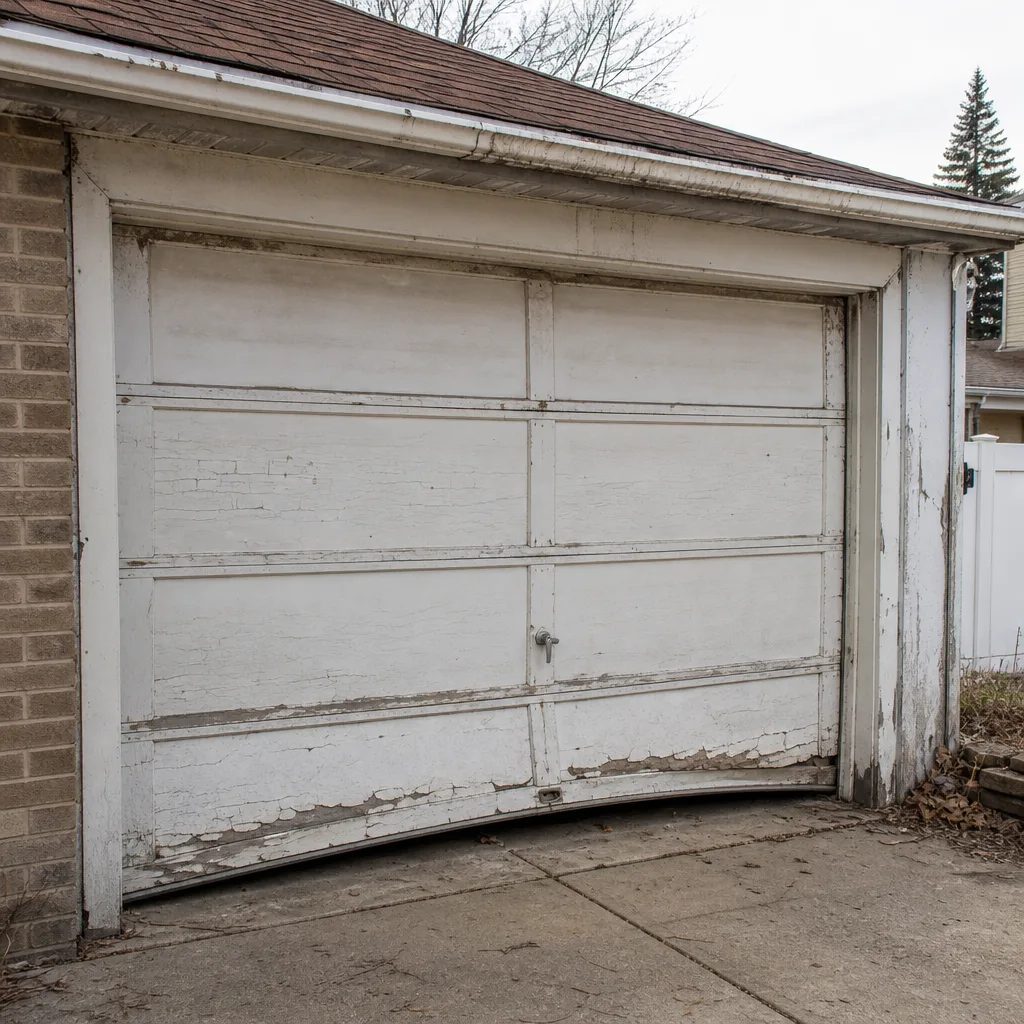 Before
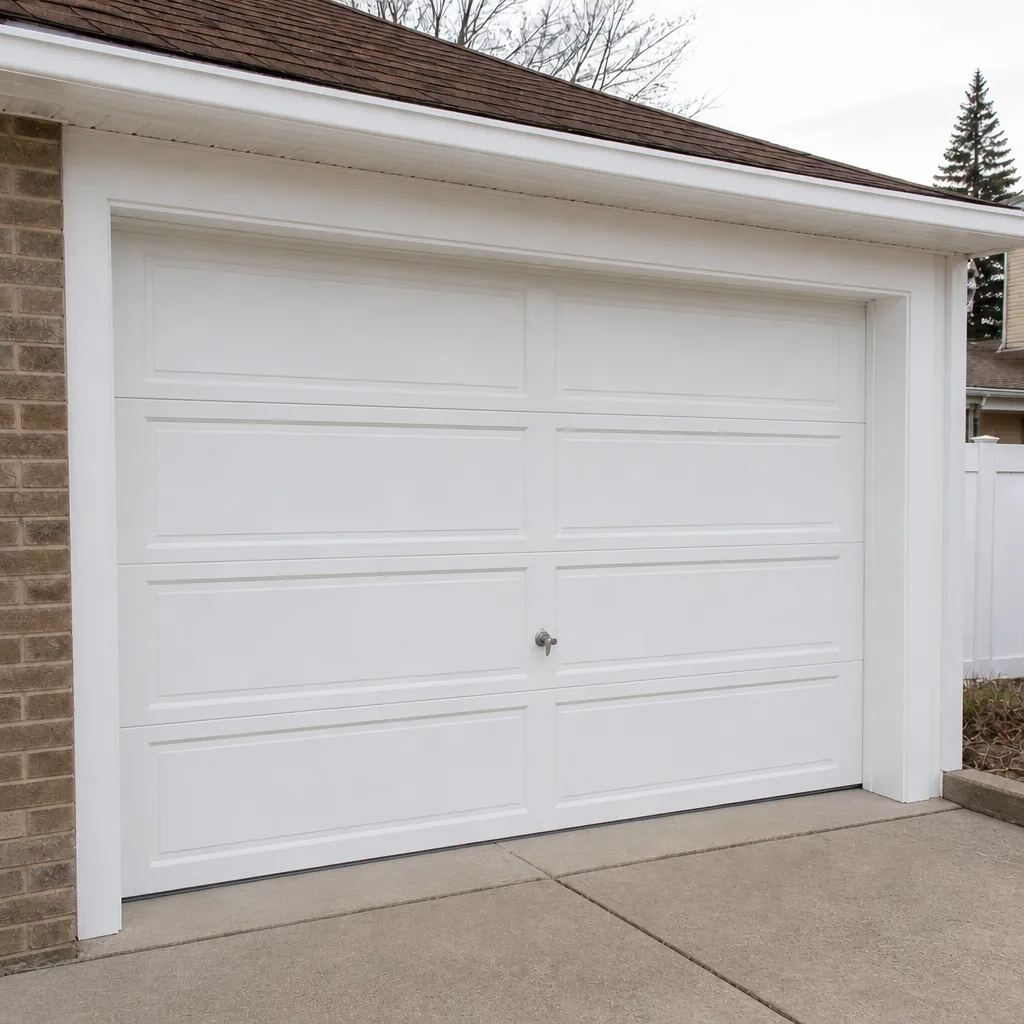 After
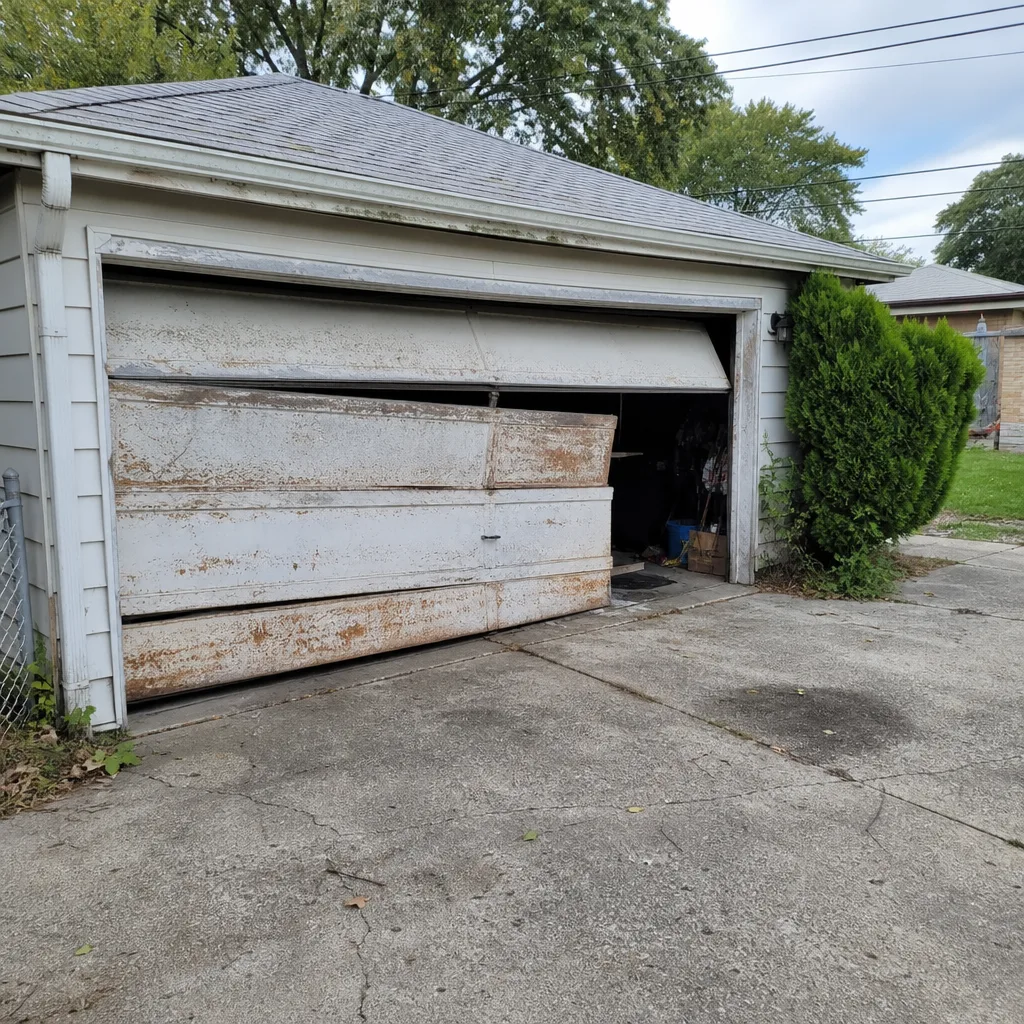 Before
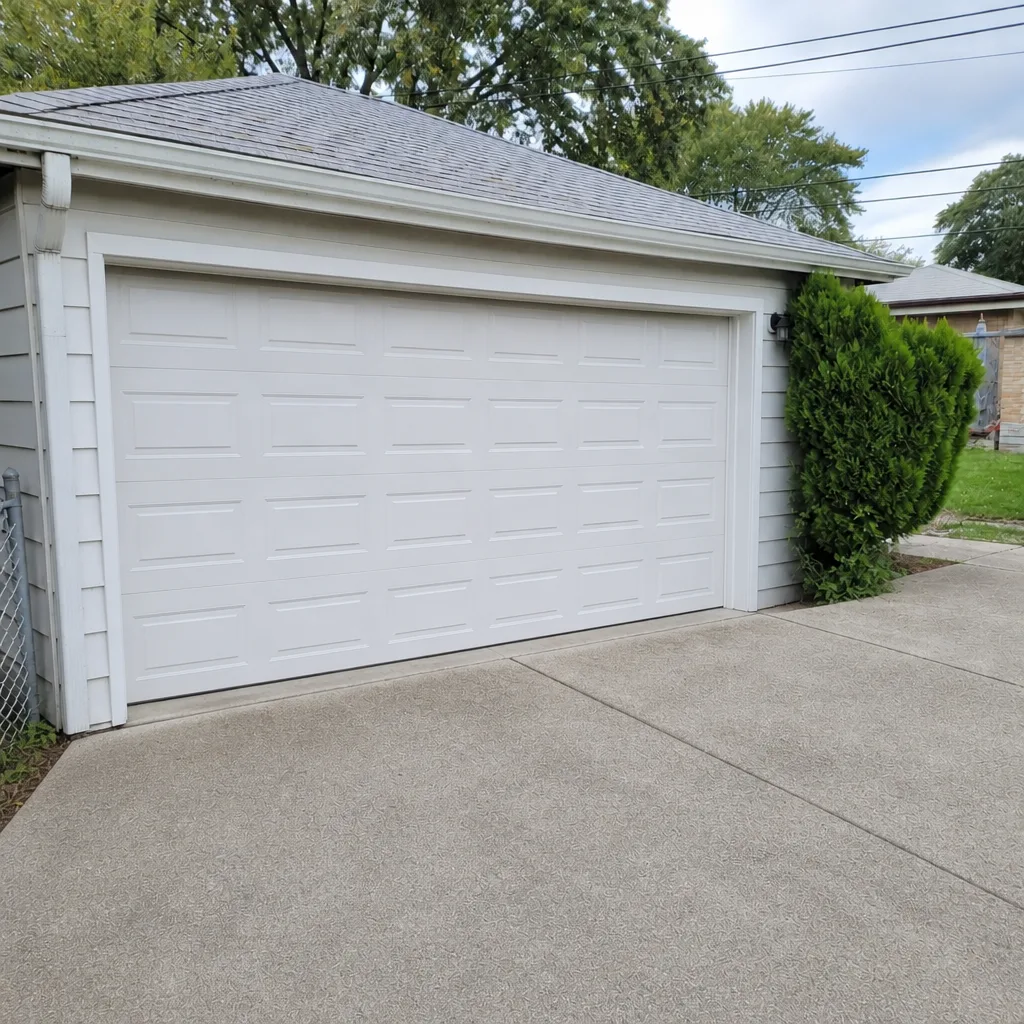 After
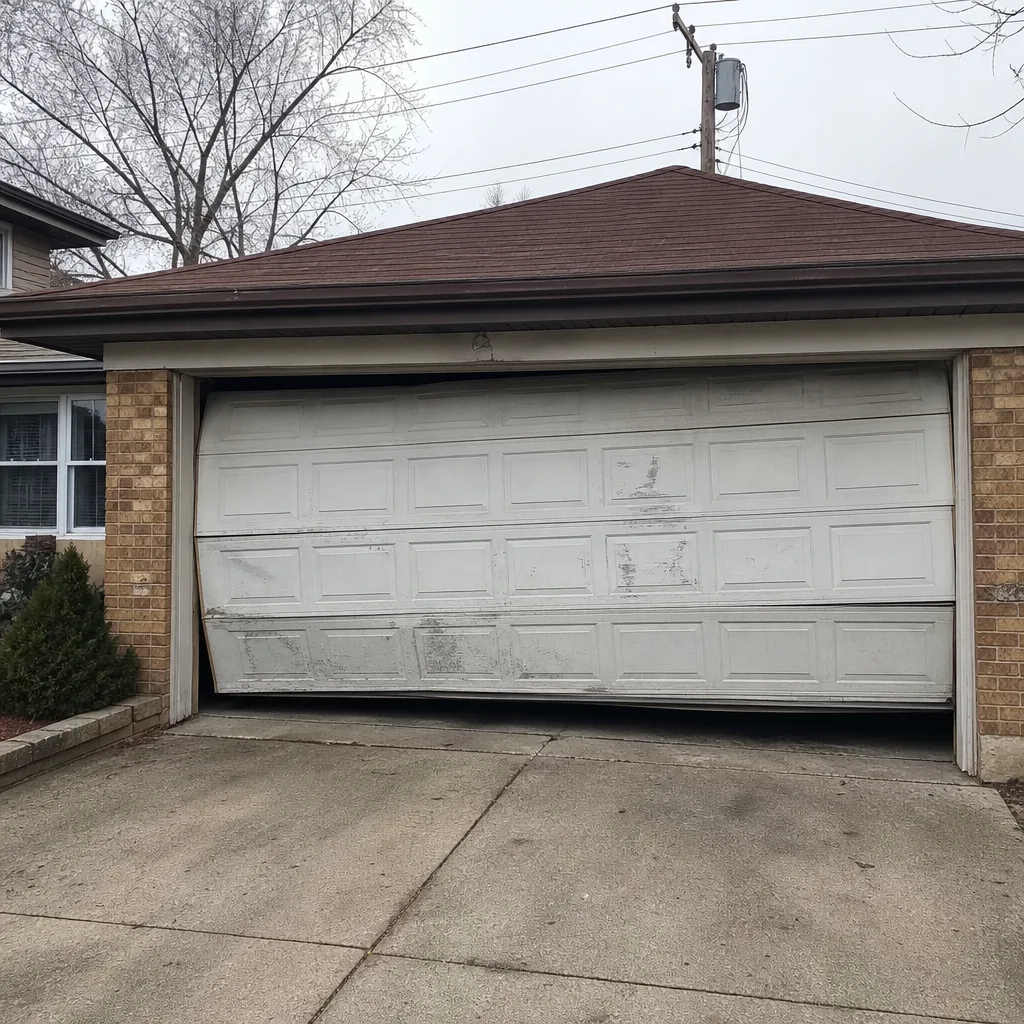 Before
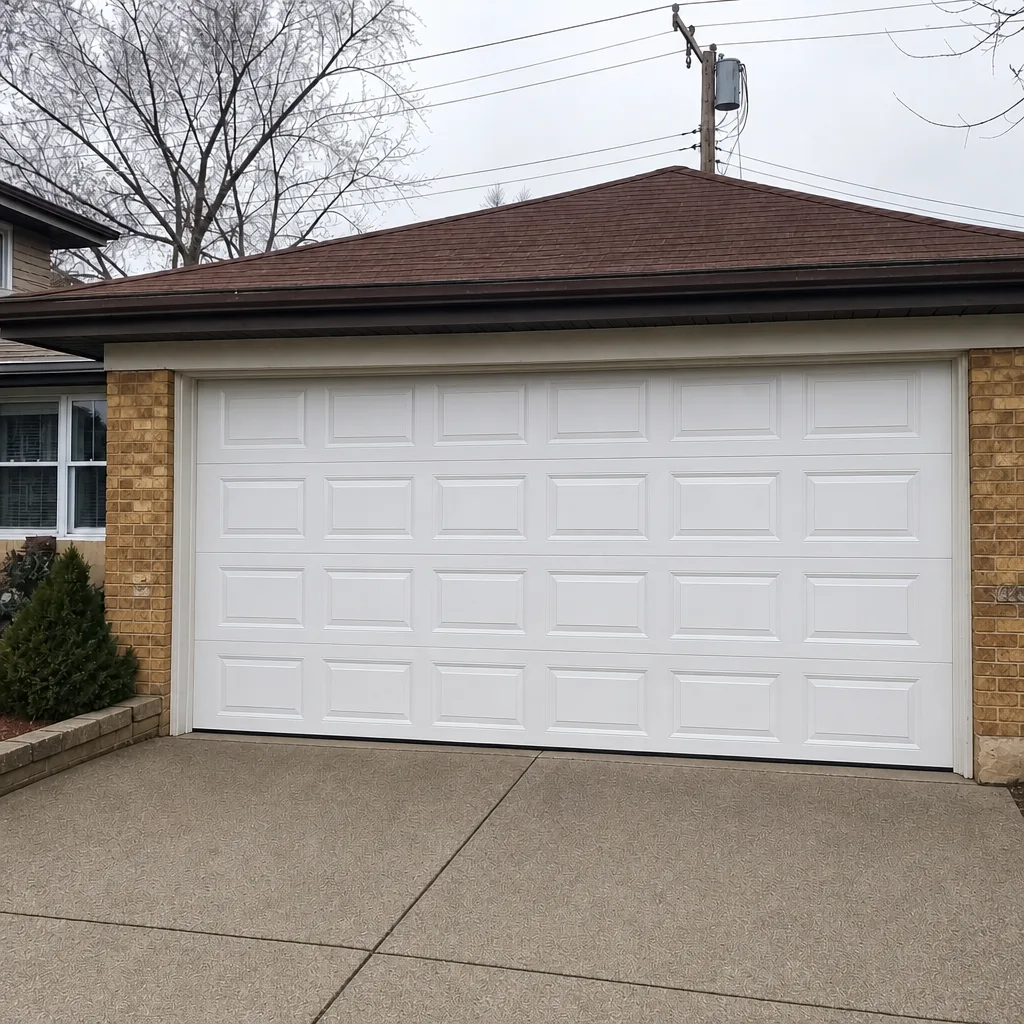 After
When to Call a Professional
Call a professional when you see any red sign, when a yellow sign has been present for more than a couple of weeks, or when a repair involves springs, cables, or the opener’s internal parts. Those are the jobs where a mistake can cause injury or a secondary failure. If your door is still opening and closing reliably, a routine inspection is still worth it once a year, especially before the freeze in Jefferson Park. A professional reading the door will catch things a homeowner can’t see, like a coil starting to fatigue or a limit switch starting to drift.
Garage Door Repair Jefferson Park offers free estimates in Jefferson Park. Call (877) 792-5778. We answer 24/7, with fast dispatch from 7am to 7pm, Sunday through Friday. Our technicians have up to 12 years of experience and work across LiftMaster, Chamberlain, Genie, Clopay, Amarr, Wayne Dalton, Craftsman, and Raynor, so we diagnose the equipment you actually have. The estimate is free, and the price is quoted and agreed before any work starts.
Frequently Asked Questions
The first warning sign is usually a change in sound, like a grinding roller or a new rattle that wasn’t there before. A door that takes longer to open than it did last month is often the earliest sign of spring tension loss. If you catch it at this stage, the repair is usually a parts fix rather than a bigger job.
Cost depends on the part and the job, and the written estimate sets the final price. A typical opener or roller repair usually falls in a modest range, while a spring repair or cable repair costs more because it’s a higher-skill job. Call (877) 792-5778 for an exact quote. Estimates are free.
Many repairs can be handled the same day. We answer 24/7 and offer fast dispatch from 7am to 7pm, Sunday through Friday. If a door is unsafe to operate, we prioritize stabilizing it. Call (877) 792-5778 to check what’s possible for your door.
A door that reverses without hitting anything usually has a dirty or misaligned safety sensor, not a failing motor. Wipe both sensor lenses, make sure they point at each other, and check that nothing is in the beam path. If it still reverses, the sensor or its wiring may need a technician’s diagnosis.
The local professionals we connect you with are licensed and insured as their state requires. We also work across the major brands, so your specific equipment gets the right diagnosis. Call (877) 792-5778 to ask about the technician assigned to your job.
No. The price is quoted and agreed before any work starts, and the written estimate sets the final price. If we find a different problem during the visit, we’ll explain it and quote the corrected work before proceeding. You won’t get an invoice bigger than the quote.
The Bottom Line
Your door is telling you what’s wrong. The grind near the tracks points to a roller; the grind near the ceiling points to the opener; the drift and the shudder point to springs and cables; and the paint cracks are the earliest look at what the cold will likely break. Those signs give you time if you act on them, and the three red signs are the ones to treat as stop-now events. Learn your door’s baseline in summer, check it before the freeze, and book the planned repair instead of the emergency one. When you need a professional read on your door in Jefferson Park, call (877) 792-5778 for a free estimate. We answer 24/7, with fast dispatch from 7am to 7pm, Sunday through Friday.
Written by the team at Garage Door Repair Jefferson Park.