
Last updated November 20, 2026
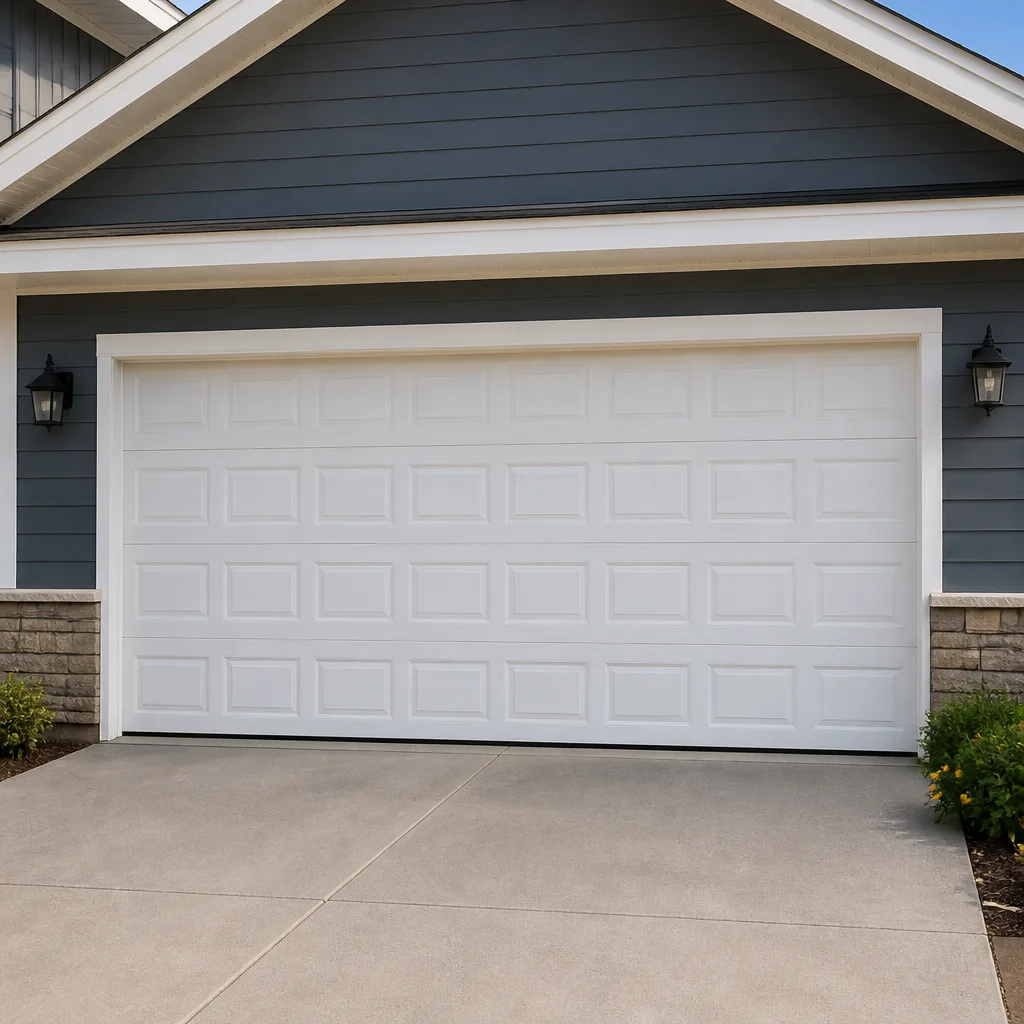 Raised-panel steel
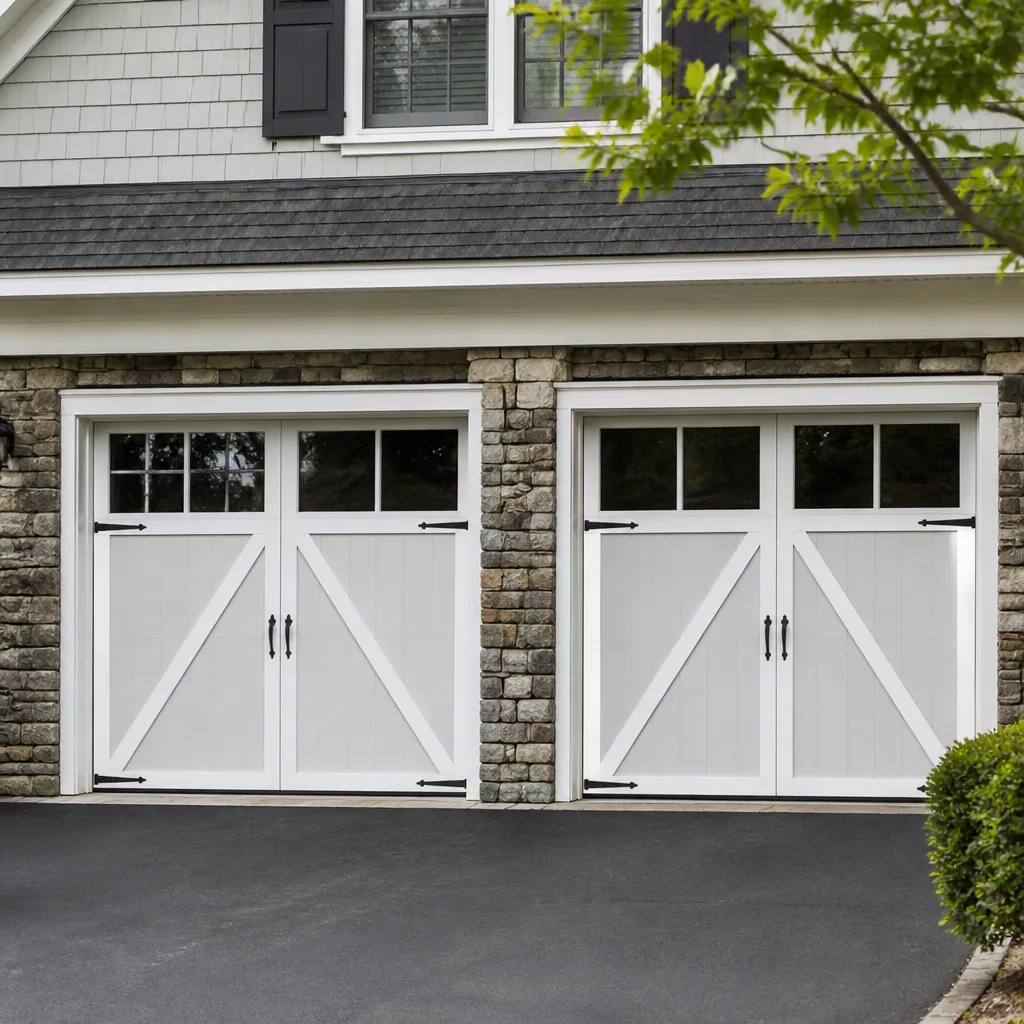 Carriage house
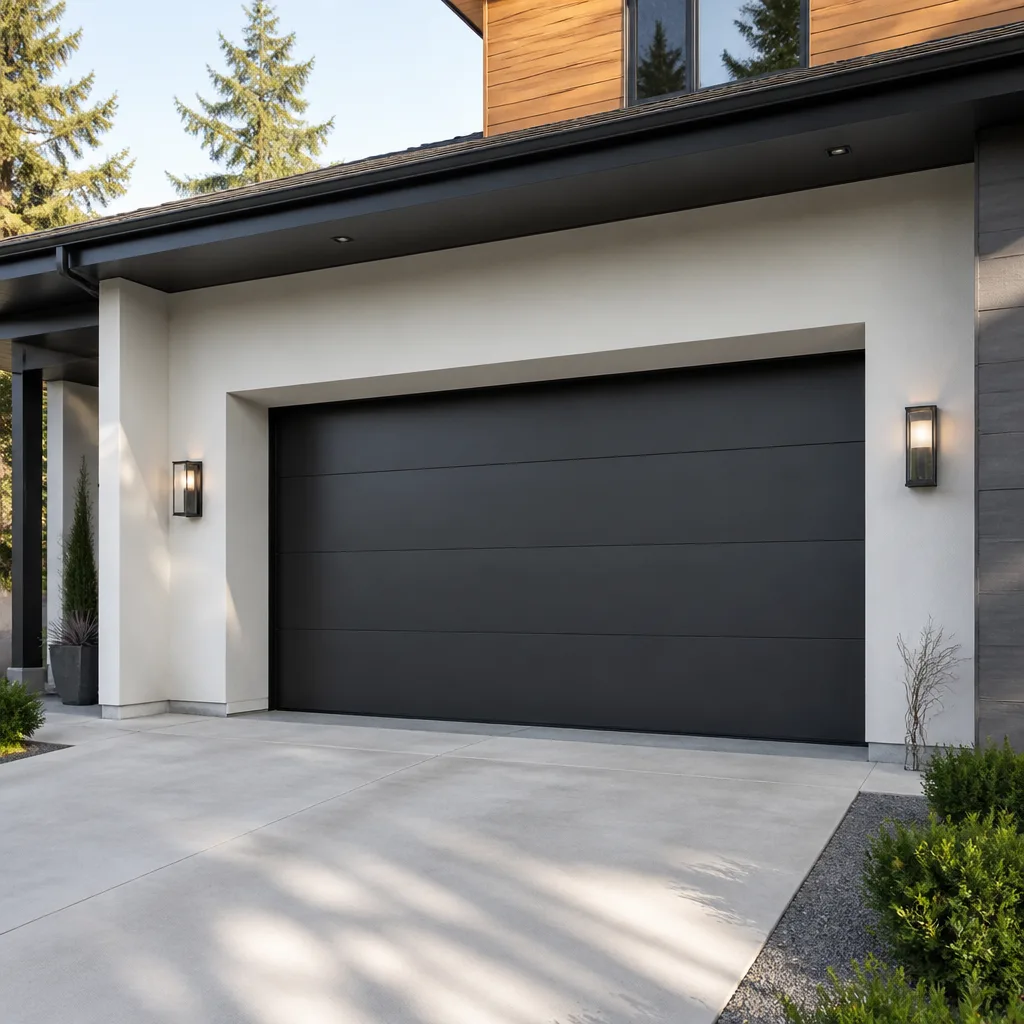 Modern flush
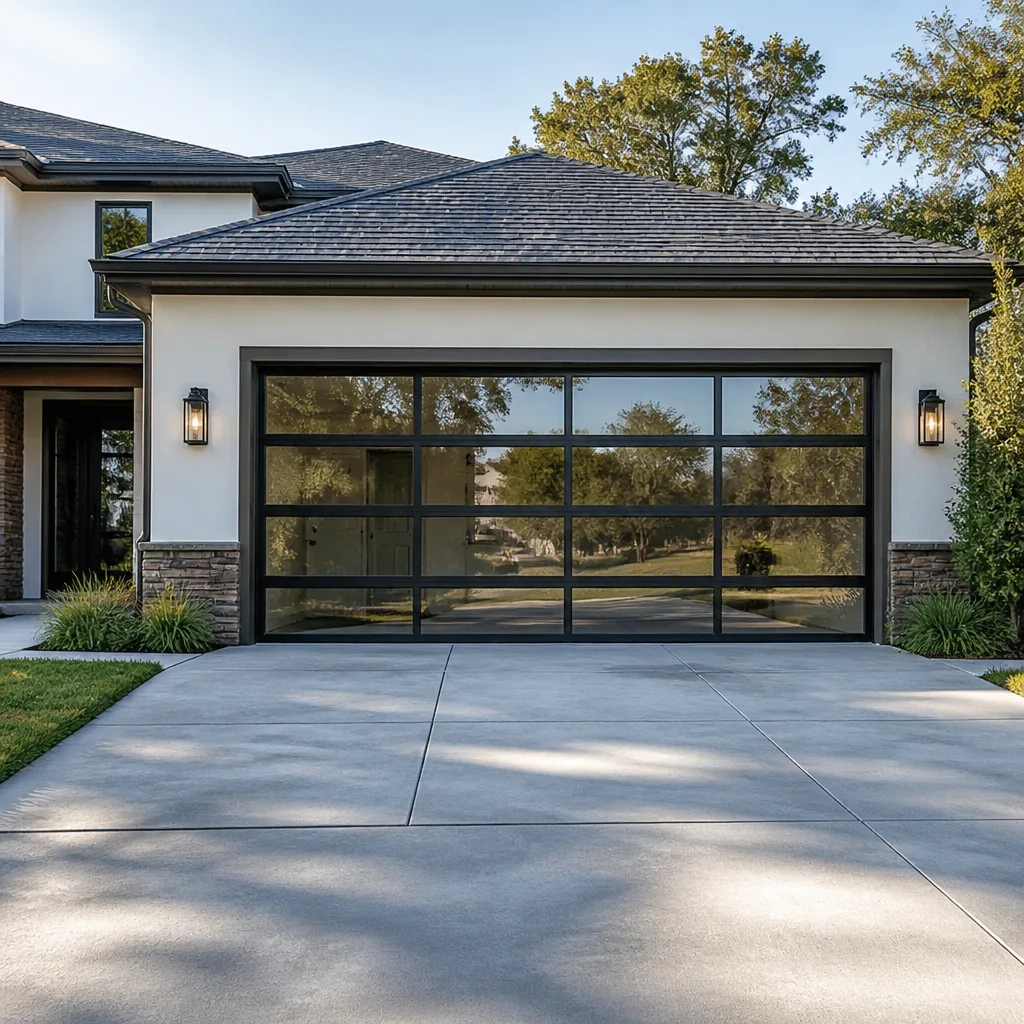 Full-view glass
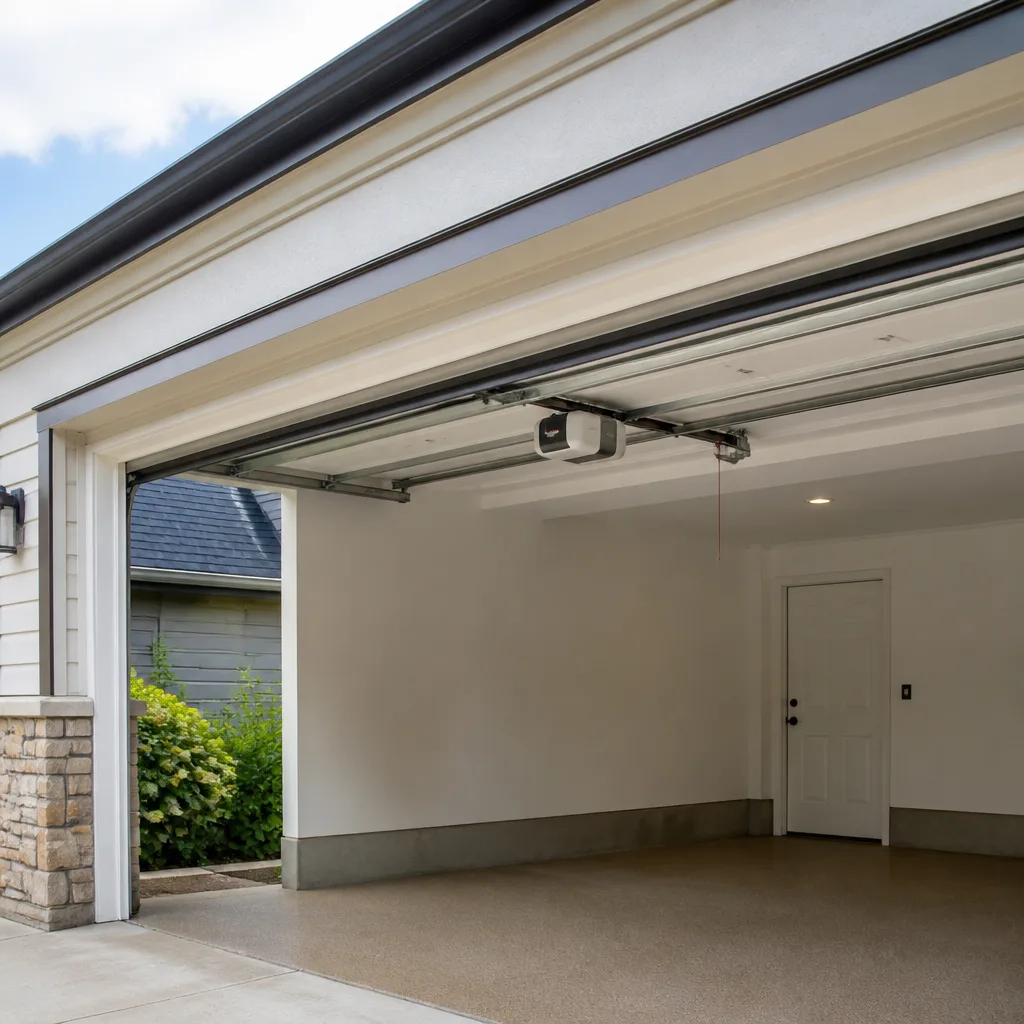 LiftMaster openers
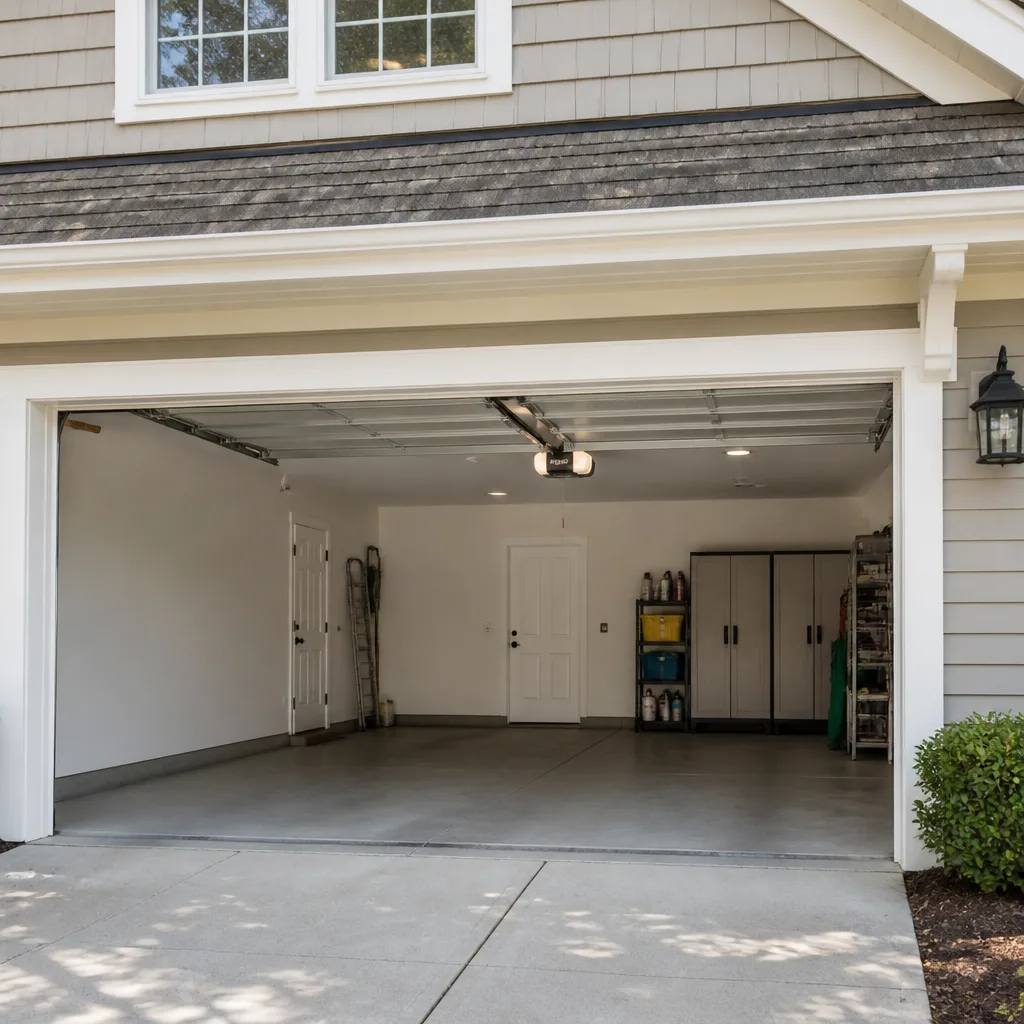 Chamberlain openers
Full 25-point door and opener safety check with every visit - springs, cables, rollers, tracks, and your LiftMaster or Chamberlain opener included
You get a price before we start. It does not change when the pro arrives.
Get your free estimateSeasonal Garage Door Care for Jefferson Park: Year-Round Homeowner’s Guide
Most homeowners assume garage door springs snap in spring. In Jefferson Park, they don’t. The calls that catch our technicians off guard come in late January and early February, when weeks of sub-zero nights finally catch up with a tired torsion spring on a cold morning start. The same pattern repeats across every component of the door, just on a different calendar. This guide maps each season’s specific stress point to the part it damages, so your maintenance is targeted and timed instead of a vague annual tune-up you forget to book.
Quick Answer
Garage door care in Jefferson Park follows a seasonal rhythm: winter attacks springs and lubrication, spring freeze-thaw misaligns frames and thresholds, summer heat stresses panels and opener travel limits, and fall is your only clean window to replace weatherstripping before the first hard freeze. A five-minute monthly inspection, done in the same order every time, catches most developing problems before they turn into a service call.
Styles & brands we work with
- Raised-panel steel
- Carriage house
- Modern flush
- Full-view glass
- LiftMaster openers
- Chamberlain openers
Table of Contents
- Winter: Why Springs Fail in January and February
- What to Check in December, Before the Break
- Spring: Freeze-Thaw Damage to Thresholds and Frames
- Summer: Heat Expansion and Opener Travel Limits
- Fall: The October Weatherstrip Window
- The Five-Minute Monthly Check
- Matching Seasonal Care to Your Door and Opener Brand
- When Maintenance Turns Into Repair
Winter: Why Springs Fail in January and February
Torsion springs fail most often in late January and early February in Jefferson Park, not in spring. Here’s why: a torsion spring is a tightly wound coil of steel under constant tension, and repeated cycles through single-digit nights make the metal contract and stiffen. The coils fatigue slightly faster in cold, and the morning you first lift the door after a hard freeze is when the accumulated stress finally lets go. That’s the physics behind what our technicians see every winter across the neighborhood.
The warning signs show up in December, well before the break:
- A door that lifts heavier than it did in October. If you can feel extra resistance by hand, the spring is losing its lift.
- A door that closes fast or slams at the bottom. The spring isn’t counterbalancing the weight properly anymore.
- Visible gaps between coils. A healthy torsion spring has an even coil gap; a stretched gap means it’s under-tensioned.
- A single loud pop you can’t place. That’s often a spring giving way while the door is up.
None of these signs mean you should touch the spring. Torsion springs are under enough stored energy to cause serious injury, and this is the exact repair we’d tell any Jefferson Park homeowner never to attempt. Call a trained technician instead.
What to Check in December, Before the Break
The single most useful thing you can do before the January cold snaps is a lubrication pass and a balance test. Do them in this order:
- Lubricate the springs, hinges, rollers and tracks with a garage-door-safe lubricant. Cold metal needs it more than warm metal does.
- Disconnect the opener and lift the door halfway by hand. It should hold in place. If it falls, the spring is weakening.
- Look at the torsion spring from the floor, never from a ladder. Check for coil gaps and rust, not for the exact tension.
- Test the safety reverse by placing a block of wood under the door and watching the opener send it back up.
- Clear the bottom seal of debris so it seats evenly against the threshold when you close up for the night.
Do that in early December and you’ll catch most failing springs while they’re still lifting, not after they’ve snapped on a sub-zero morning. If any step fails, a garage door spring repair call is the right next move, not a DIY attempt.
Spring: Freeze-Thaw Damage to Thresholds and Frames
Jefferson Park garages, especially the older detached ones behind the bungalows and two-flats, take a beating from freeze-thaw cycles. Water seeps into hairline cracks in the concrete threshold, freezes overnight, expands, and widens the crack a little more. By the time the ground thaws in April, the threshold has dropped or heaved unevenly, and the door no longer seats square against it.
What that looks like from the driveway:
- A visible gap under one corner of the closed door that wasn’t there last fall.
- The door binding or catching on one side as it travels up the track.
- Tracks that look slightly out of plumb when you sight down them from the floor.
- A door that reverses on its own because the opener senses resistance from a misaligned track.
- Cracked or crumbling concrete right at the threshold, where water pools and refreezes.
Spring is also when the door frame moves. Wood frames on older garages swell with moisture and shrink back, and the hinge plates follow. A quick Garage Door Repair Jefferson Park inspection in April catches a misaligned frame before it wears out rollers and hinges. If your door has developed a gap or a bind, that’s your signal to schedule a look.
Summer: Heat Expansion and Opener Travel Limits
Summer heat does two things in Jefferson Park. It expands metal door panels (steel and aluminum especially) and it softens the wood composite panels on many older doors, which can bow slightly and bind against the frame. Both put extra load on the opener, and that’s when travel limits drift out of adjustment.
Travel limits are the settings that tell your opener how far to raise and lower the door. Heat expansion changes the geometry just enough that the opener’s “fully closed” position no longer matches the door’s actual closed position. The result is a door that stops short, reverses, or crushes the bottom seal.
In our experience, summer is the right time to adjust travel limits, not winter. The door is at its most expanded, so the limit you set now will hold through the cold months. It’s a job that belongs on a garage door opener repair visit, because a misadjusted limit on a Chamberlain or Genie unit can also wear the gear and sprocket if left too long. If your door is overshooting the floor or stopping a few inches short, get it looked at before the fall.
Fall: The October Weatherstrip Window
October is the only clean window to replace weatherstripping and bottom seals in Jefferson Park. Here’s the sequence: once the first hard freeze hits in late October or early November, the rubber and vinyl seals stiffen and crack, and by then the seal has usually already let water in behind it. Waiting until after the first freeze means the door’s bottom edge and threshold have already been exposed to moisture that will freeze over the winter.
What to check in October:
- The bottom seal: run your hand along the closed door’s bottom edge. A seal that’s hard, cracked, or leaving daylight gaps needs replacing.
- The perimeter weatherstrip: check the sides and top of the frame for gaps, tears, or brittle sections.
- Daylight under the door: if you can see light at any point where the door meets the floor, the seal isn’t doing its job.
- Water staining on the threshold: that’s a sign moisture has been getting past the seal all year.
Replacing weatherstripping is genuinely a homeowner-level job, but if the door itself has warped or the threshold has heaved, the seal won’t seat no matter what you install. That’s when a parts and garage door repair visit makes more sense than another seal swap that fails by December.
The Five-Minute Monthly Check
This is the one habit that catches most developing problems before they become service calls. Do it in the same order every month, and it takes under five minutes:
- Look at the door from the outside, closed. Is it level with the frame? Any daylight gaps?
- Cycle the door once by hand with the opener disconnected. It should move evenly, without binding or slamming.
- Run the safety reverse test with a block of wood under the door.
- Look at the spring from the floor. Gaps between coils, rust, or a sagging section means call.
- Wipe and lubricate the rollers, hinges and tracks with a garage-door lubricant. Skip the tracks on a very cold day.
- Check the photo-eye sensors for dust and misalignment. A little dirt causes most “my door won’t close” calls.
None of these steps requires tools or climbing. And they catch the small stuff – a loose hinge, a dusty sensor, a seal starting to crack – before it costs you a weekend repair.
Matching Seasonal Care to Your Door and Opener Brand
Seasonal care looks slightly different depending on what’s in your garage. We work on the brand you already have, across eight major manufacturers, and the seasonal stress points vary by system:
- LiftMaster and Chamberlain openers: travel limits and safety sensors are the summer and winter checkpoints. A Chamberlain unit with a misadjusted limit will reverse on a cold morning for no obvious reason.
- Genie openers: the belt and chain drive need a cold-weather lubrication pass in December. A stiff chain is a winter failure waiting to happen.
- Clopay and Amarr doors: steel and composite panels expand in summer and contract in winter; the hinges and rollers take the brunt of it, so check them monthly.
- Wayne Dalton, Craftsman and Raynor: older models often have weatherstrip and seal wear that’s easy to overlook in fall, so inspect those first.
Knowing the brand matters, because a fix that works for a Clopay panel doesn’t necessarily apply to a Raynor door. Our technicians have up to 12 years of experience across these systems, which is why we can diagnose what’s actually in your garage rather than recommending a brand we prefer to install.
When Maintenance Turns Into Repair
Some seasonal issues are maintenance. Others are repair, and knowing the difference saves you money and, in the case of spring work, injury. Maintenance: lubrication, seal replacement, sensor cleaning, travel limit adjustment on the opener. Repair: any spring or cable work, a bent or cracked panel, a track that’s out of alignment, or an opener that’s failing electrically.
If you’re not sure which you’re looking at, that’s the moment to call. We offer free estimates in Jefferson Park and a written price agreed before any work starts, so a quote is a quote. Call (877) 792-5778. We answer 24/7. Fast dispatch from 7am to 7pm, Sunday through Friday.
Common Mistakes to Avoid
- Greasing the tracks. Lubricant belongs on the hinges, rollers and springs, not the tracks. Greased tracks collect grit and cause the door to bind.
- Waiting for the spring to snap before replacing it. A December balance test is the cheapest spring inspection you’ll ever do; a January emergency is not.
- Forcing a frozen door open by hand. If the door won’t lift, the spring has likely failed and forcing it can bend the panels and track.
- Assuming the seal is fine because the door looks closed. Seal wear is invisible from standing height; get on the floor and look along the bottom edge in October.
- Skipping the safety reverse test. A door that doesn’t reverse is a safety problem, not a convenience problem. Test it monthly.
- Adjusting opener travel limits without checking the door balance first. You’ll mask a failing spring with an opener adjustment and wear out the opener in the process.
- Replacing the whole door when a part will do. A popped hinge or worn roller is not a reason for a new door. Ask for parts first.
See the difference
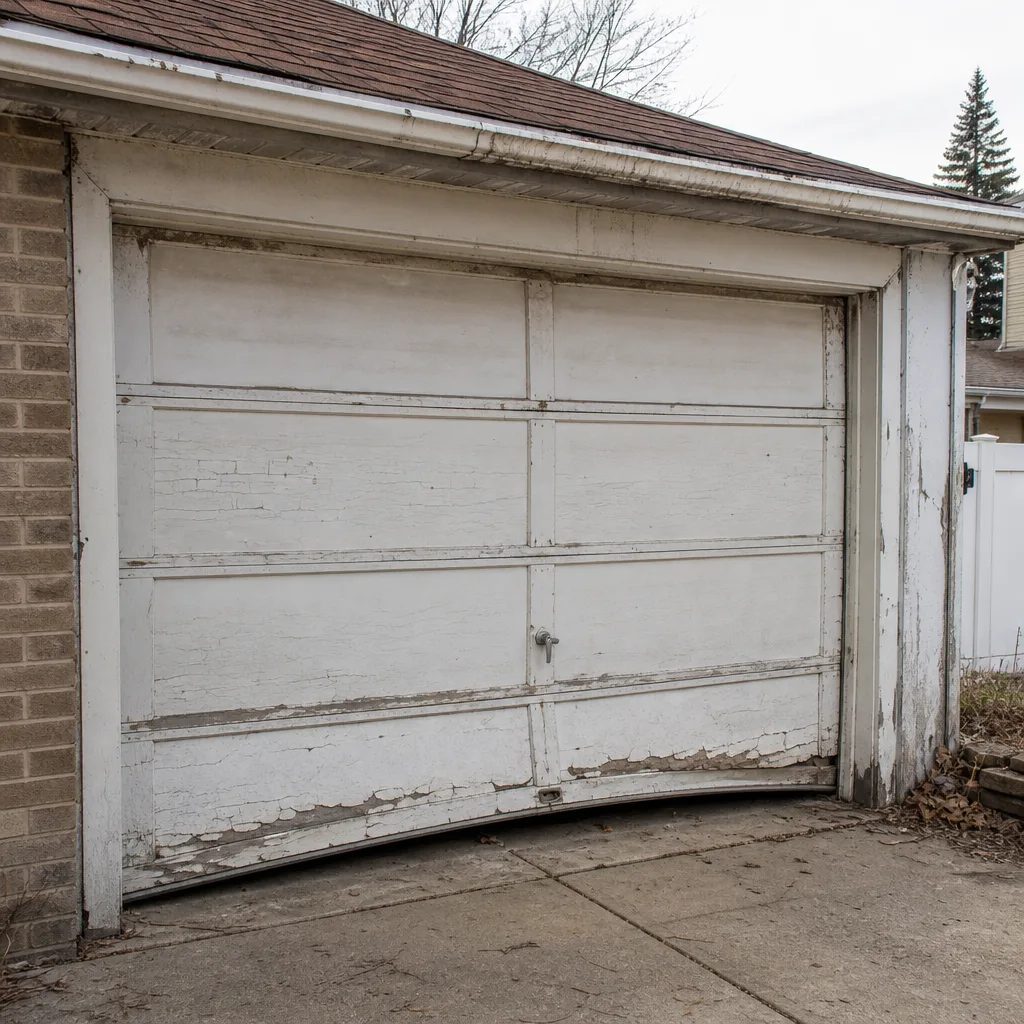 Before
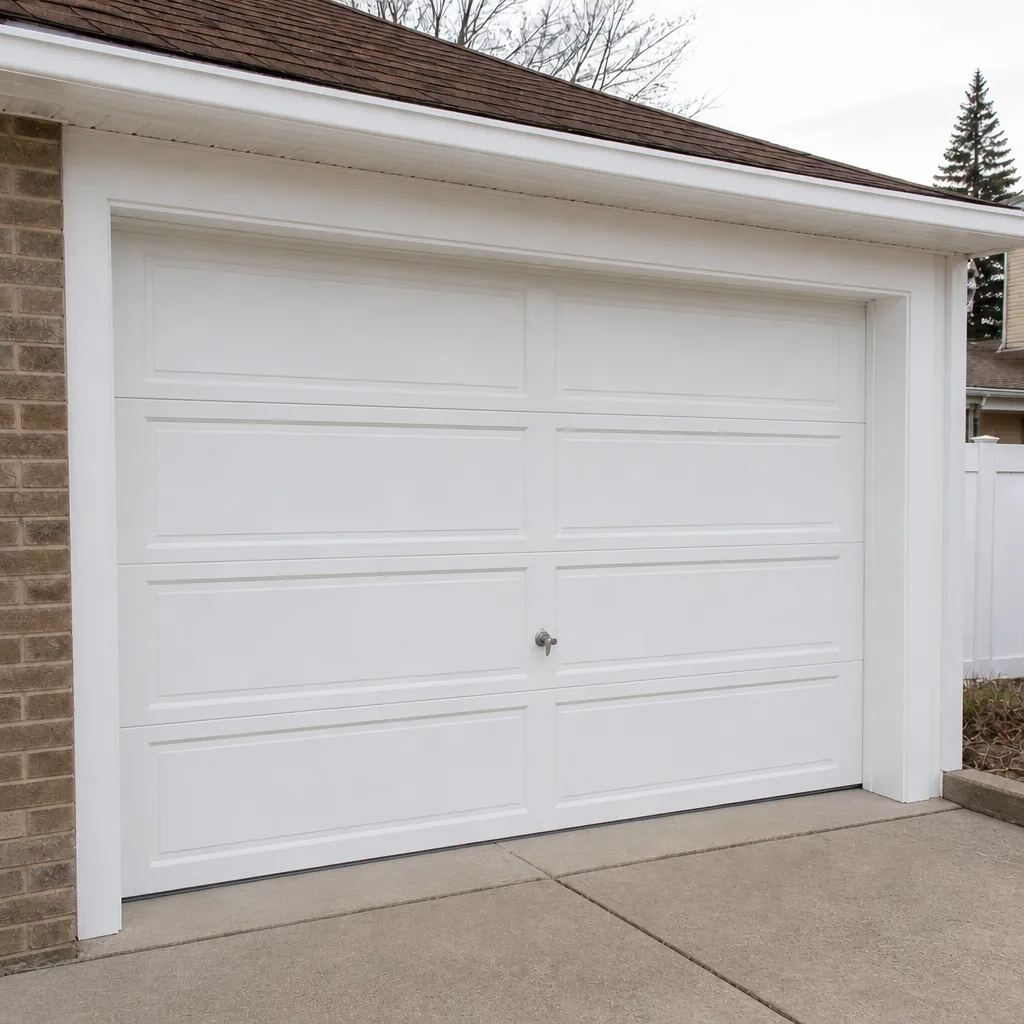 After
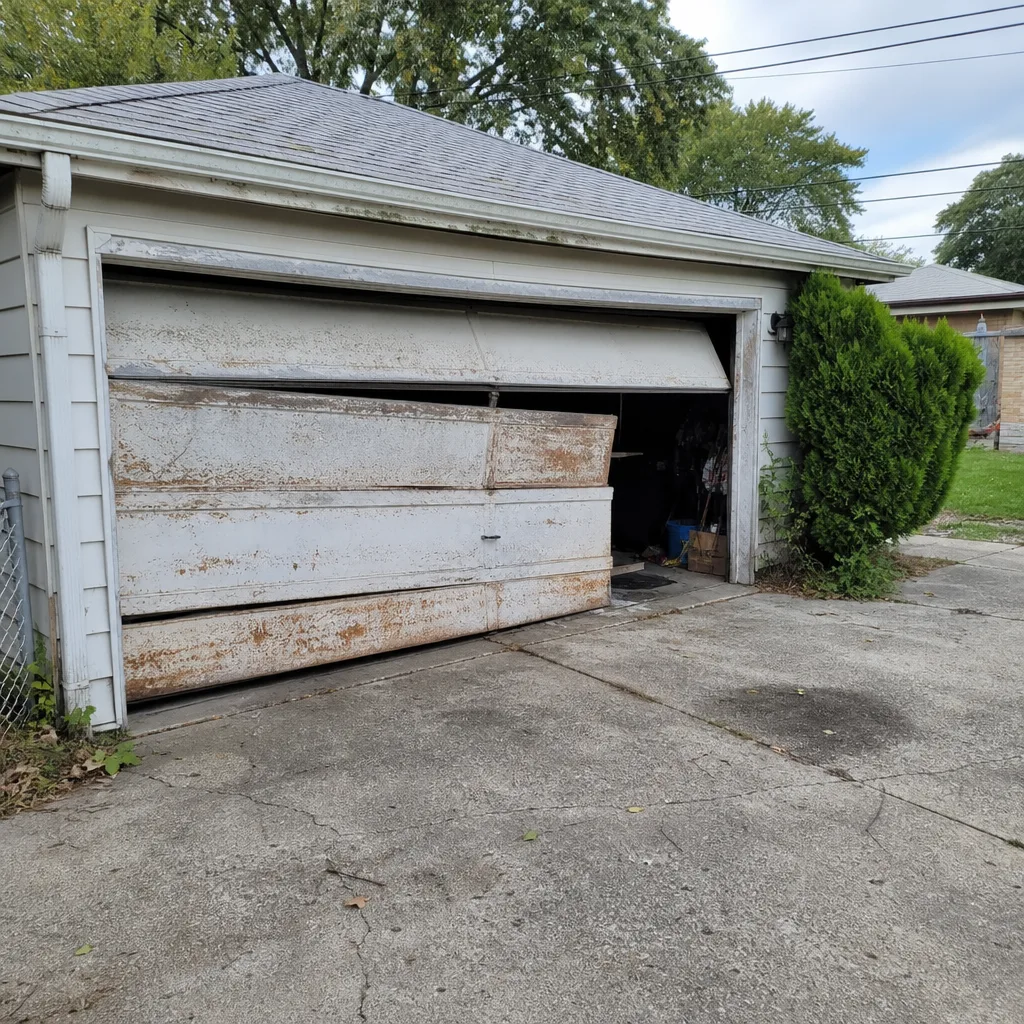 Before
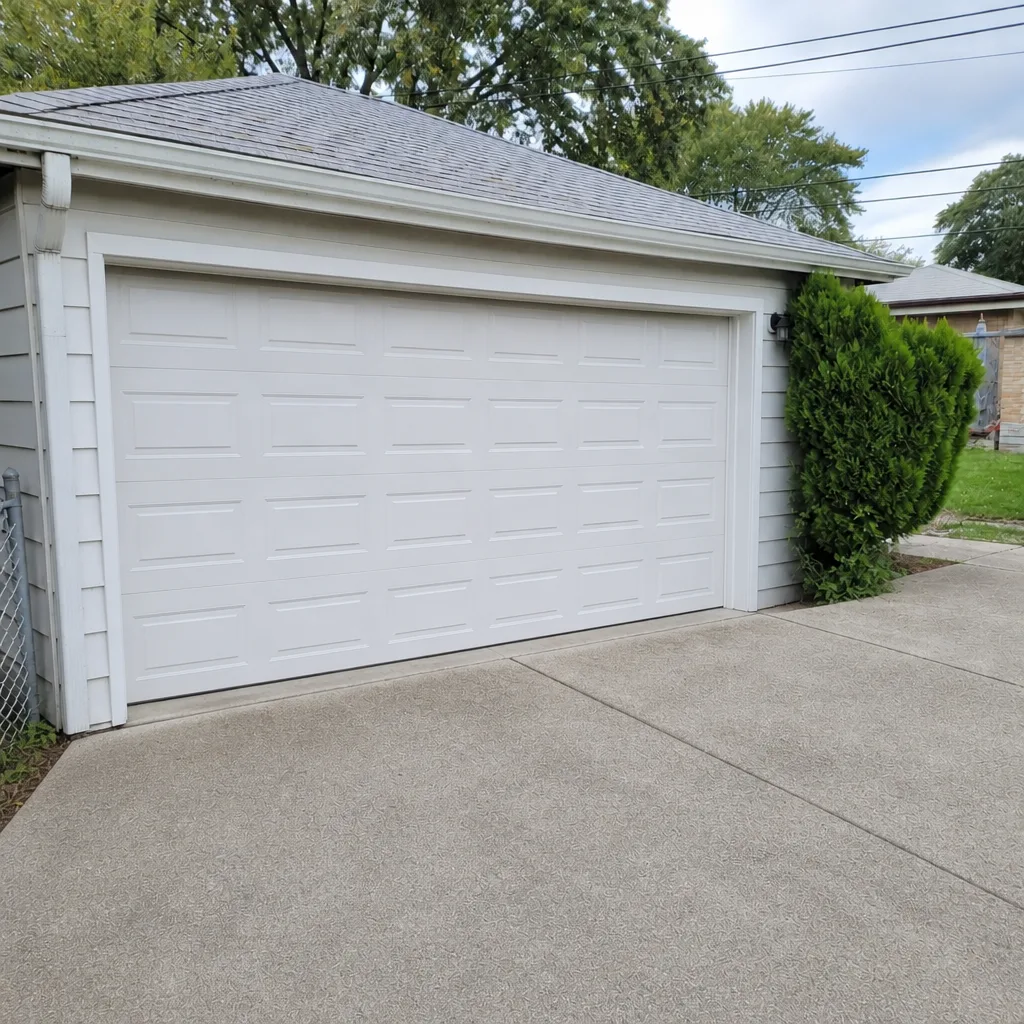 After
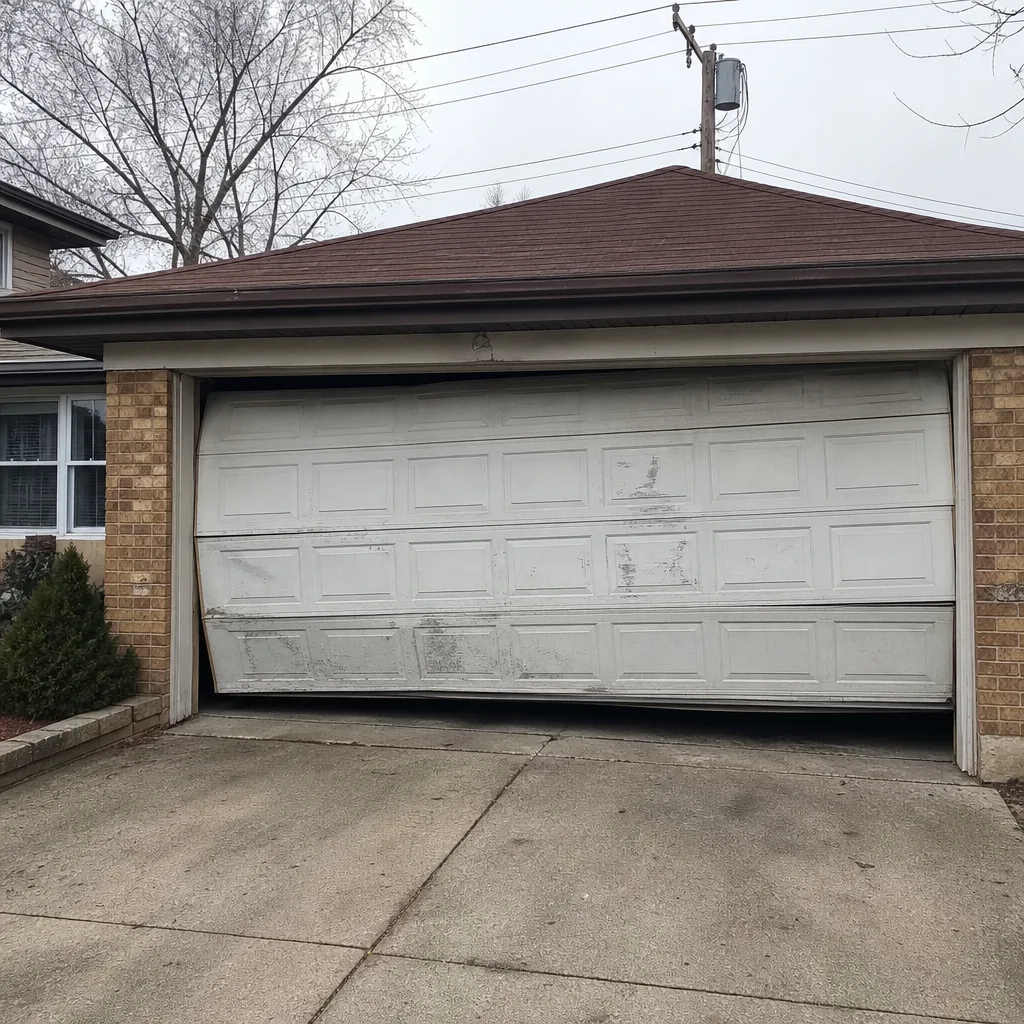 Before
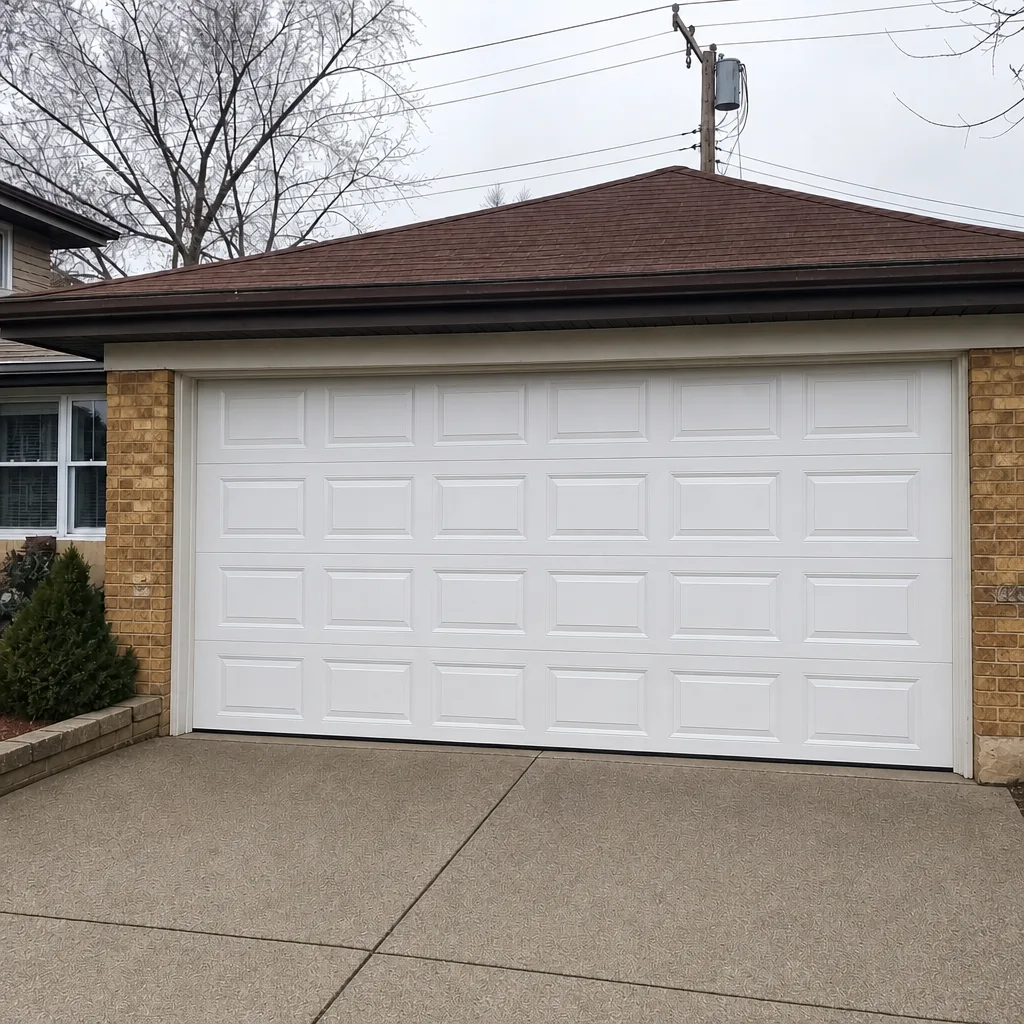 After
When to Call a Professional
Call for a professional visit when you see any of these: a broken or stretched torsion spring, a door that won’t stay up when lifted by hand, a door that reverses on its own, a track that’s visibly bent or out of plumb, a panel that’s cracked or bowed, or an opener that’s grinding or humming without moving the door. Spring and cable work is genuinely dangerous and should never be a homeowner project, no matter how straightforward the videos make it look. Garage Door Repair Jefferson Park offers free estimates in Jefferson Park. Call (877) 792-5778. We answer 24/7. Fast dispatch from 7am to 7pm, Sunday through Friday. If you’re planning a full garage door installation rather than a repair, a free written estimate sets the price before any work begins.
Frequently Asked Questions
Twice a year is the standard recommendation for Jefferson Park: once in fall before the first freeze and once in spring after the thaw. Between those, a five-minute monthly check catches most developing issues. Doors that face heavy daily use, like on a two-flat with a shared driveway, benefit from quarterly professional visits. Call (877) 792-5778 for a free estimate.
Cold contracts metal, and repeated cycles through sub-zero nights fatigue a torsion spring faster than the same cycles in warm weather. Late January and early February are the peak failure window, because the accumulated stress from December finally catches up. That’s why a December balance test matters. Call (877) 792-5778 to schedule a spring inspection before the cold sets in.
No. Torsion springs store enough energy to cause serious injury, and the tools, technique and tension calculations involved are not a homeowner job. Call a trained technician. Our technicians have up to 12 years of experience with spring repair, and we handle the job safely and correctly the first time. Call (877) 792-5778 for a free estimate.
October, before the first hard freeze. Once the seal stiffens in cold, it’s already let moisture behind it, and waiting until after the freeze means the door and threshold have been exposed. Call (877) 792-5778 if you’re unsure whether the seal needs replacing or the door itself has warped.
We work on the brand you already have, across eight major manufacturers: LiftMaster, Chamberlain, Genie, Clopay, Amarr, Wayne Dalton, Craftsman and Raynor. That means a diagnosis and repair on what’s actually in your garage, not a pitch to replace it with a preferred brand. Call (877) 792-5778 for a free estimate.
We quote per job, and the written estimate sets the final price before any work begins, so there’s no surprise on the invoice. Call (877) 792-5778 for a free estimate. We answer 24/7. Fast dispatch from 7am to 7pm, Sunday through Friday.
The Bottom Line
Jefferson Park’s climate doesn’t wear a garage door down gradually. It hits specific parts in a predictable seasonal order: springs in January, frames and thresholds with the spring thaw, opener travel limits in the summer heat, and weatherstripping in the fall window. Time your maintenance to each stress point and you’ll catch most problems while they’re still small. If a spring, track or opener is already failing, a free written estimate and a single call covers it. Call (877) 792-5778. We answer 24/7. Fast dispatch from 7am to 7pm, Sunday through Friday.
Written by the team at Garage Door Repair Jefferson Park.